In a significant development for global trade and energy markets, Iran has announced that the Strait of Hormuz is now "completely open" for all commercial traffic. This move marks a major step toward de-escalating a conflict with the United States and Israel that has previously caused energy prices to surge dramatically.
Ceasefire Paves Way for Maritime Access
The announcement comes directly from Iranian Foreign Minister Abbas Araghchi, who stated on social media platform X that the opening is "in line with the ceasefire in Lebanon." He emphasized that the passage for all commercial vessels through the strategic waterway is declared completely open for the remaining period of the ceasefire, following the coordinated route previously announced by Iranian authorities.
U.S. Brokers Temporary Truce
This maritime opening follows U.S. President Donald Trump's announcement of a 10-day ceasefire between Lebanon and Israel on Thursday evening. The temporary truce represents a key diplomatic move that has helped ease regional tensions with Iran, creating conditions for the Strait of Hormuz to reopen to commercial shipping.

Strategic Waterway Critical for Global Energy
The Strait of Hormuz serves as one of the world's most crucial maritime chokepoints for oil transportation, with approximately one-fifth of global petroleum consumption passing through its narrow waters. The closure or restriction of this passage has historically led to significant volatility in energy markets and increased shipping costs worldwide.
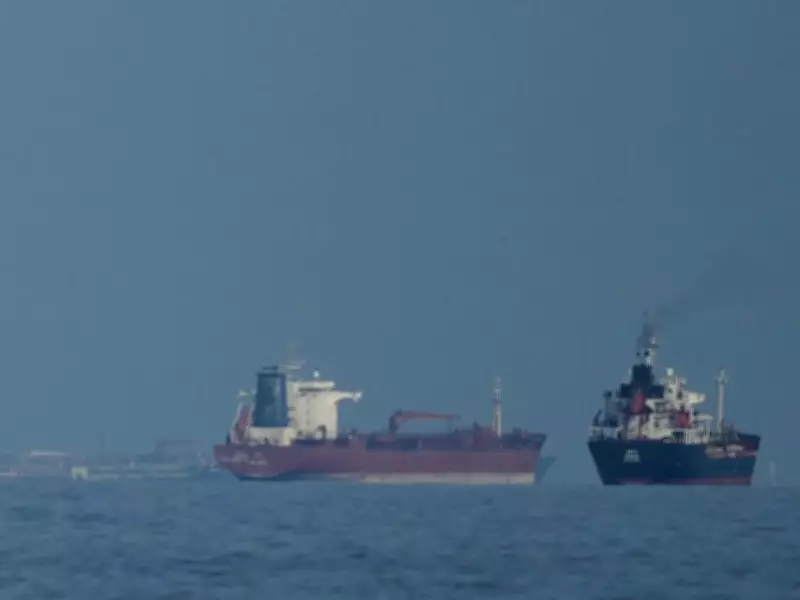
Commercial vessels, including oil tankers and cargo ships, had been lining up in the region awaiting clearance to pass through the strategic strait. The reopening allows these ships to resume normal operations along the coordinated route established by Iranian maritime authorities.
Regional Implications and Future Outlook
The combined developments of the ceasefire and maritime reopening suggest a temporary cooling of hostilities in the region, though the situation remains fragile. The 10-day ceasefire provides a window for diplomatic efforts to address underlying tensions, while the Strait of Hormuz opening offers immediate relief to global shipping and energy markets.
As commercial traffic resumes through this vital waterway, international observers will be monitoring whether the ceasefire holds and whether this represents a lasting shift toward regional stability or merely a temporary pause in ongoing geopolitical tensions.