Russia Vows Unwavering Assistance to Cuba Following Historic Oil Delivery
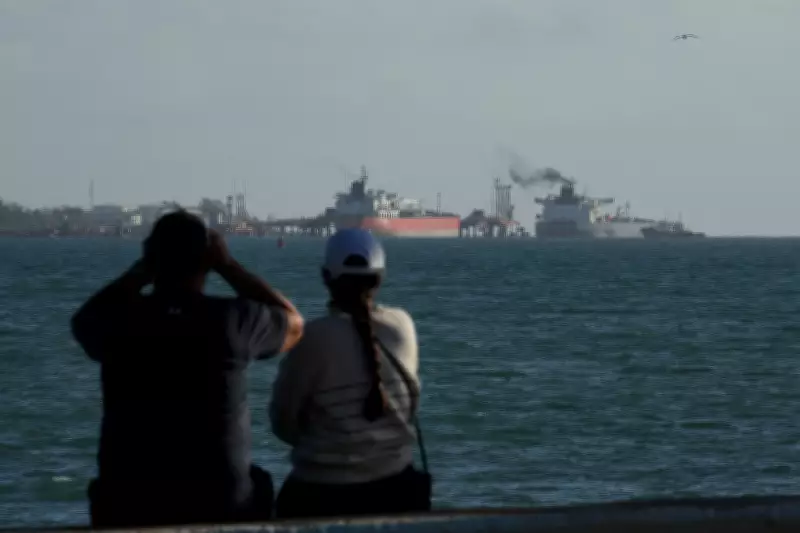
In a significant development for Caribbean energy security, a senior Russian diplomat has publicly committed to continuing support for Cuba after the arrival of the first Russian-flagged oil tanker at the island nation's port. The vessel, named Anatoly Kolodkin, successfully docked at an oil terminal in Matanzas on Tuesday, March 31, 2026, marking a pivotal moment in bilateral relations.
Strengthening Ties Through Energy Cooperation
The arrival of the Anatoly Kolodkin represents more than just a routine shipment; it symbolizes deepening economic and political bonds between Moscow and Havana. According to the diplomat, this delivery is part of a broader strategy to bolster Cuba's energy independence and resilience. "Russia will keep helping Cuba," the official stated, emphasizing a long-term partnership that extends beyond immediate fuel supplies.
This move comes at a time when global energy markets are experiencing volatility, and nations are seeking reliable partners to secure their energy needs. For Cuba, which has faced chronic fuel shortages and economic challenges, the Russian oil tanker's arrival could provide much-needed stability. The docking in Matanzas, a key industrial hub, underscores the practical steps being taken to translate diplomatic promises into tangible benefits.

Implications for Regional and Global Dynamics
The reinforcement of Russia-Cuba relations through energy cooperation has broader implications. It highlights Moscow's efforts to expand its influence in the Western Hemisphere, countering other global powers. Meanwhile, for Cuba, this partnership offers a lifeline amid ongoing economic pressures and international isolation.
Experts note that such collaborations are not merely transactional but are woven into a fabric of historical alliances. The diplomat's assurance of continued help suggests that future shipments and possibly other forms of aid, such as technical assistance or infrastructure projects, could follow. This could reshape energy flows in the region, potentially reducing Cuba's reliance on other suppliers.
As the Anatoly Kolodkin unloads its cargo, the event serves as a reminder of how energy diplomacy can forge and fortify international relationships. With both nations facing their own sets of challenges, this strengthened bond may prove crucial in navigating the complexities of the global landscape in the coming years.