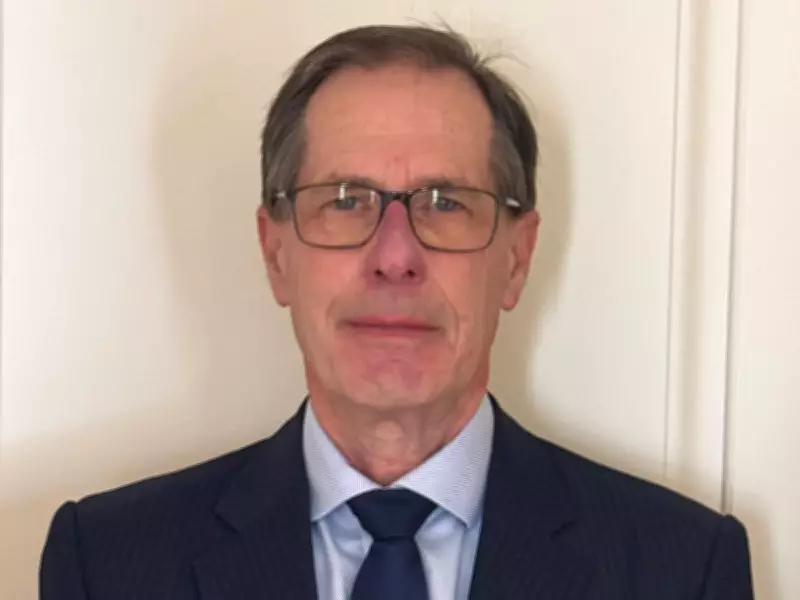
In a candid interview, veteran oil industry executive Bryan Gould has issued a stark challenge to Canada's federal government: abandon regulatory obstacles and allow the free market to determine the nation's energy future. The founder and executive chair of Aspenleaf Energy, a private Canadian light oil and gas producer, argues that current policies are stifling investment and placing unrealistic burdens on taxpayers.
The Case for Market-Driven Solutions
Gould, who spent nearly three decades at Shell Canada overseeing billions in transactions, contends that the only politically viable path forward involves stripping away barriers that hinder energy development. He emphasizes that this approach might be unpalatable for political leaders like Prime Minister Mark Carney, given ideological commitments, but insists it's necessary for economic pragmatism.
"Everyone wants to say this at the Petroleum Club, but no one wants to say it in public," Gould confides, highlighting the private frustrations within industry circles that rarely surface in public discourse.

Confronting the "Vilification" of Resource Extraction
The oil executive directly addresses what he describes as the unfair criticism of resource extraction industries. "This vilification of the extraction of the materials that are the foundation for our society, this has to stop, right?" he asserts. Gould believes that addressing Canada's energy challenges requires grit, determination, and willpower to confront difficult issues through more forthright conversations with Canadians.
The Carbon Capture Conundrum
A central point of Gould's criticism focuses on the federal government's insistence on carbon capture projects as preconditions for new pipeline approvals. He argues this approach is fundamentally flawed because neither customers nor investors are willing to bear the costs, leaving taxpayers to shoulder the financial burden.
"The customer won't pay for it, and the investor can't — and won't. So it's on the taxpayer," Gould states bluntly, characterizing such mandates as "virtue signalling" rather than practical policy.
Questioning the Pathways Project Economics
The financial scale of proposed carbon capture initiatives raises serious concerns for industry observers. Phase one of the Pathways carbon capture and storage project alone carries an estimated price tag of $16.5 billion — a staggering sum even as Brent crude prices hover around $100 per barrel. Gould questions who will ultimately finance such massive decarbonization projects during an ongoing energy crisis.
Simple Regulatory Fixes Available
According to Gould, several straightforward policy changes could immediately improve investment conditions:
- Eliminating the tanker ban, which he describes as achievable with "a stroke of the pen"
- Implementing a revised Bill C-69 on impact assessments, which he claims is "on the shelf, ready to go"
- Dropping carbon capture preconditions for pipeline approvals to allow market forces to operate more freely
"Then at least you would see, in a more clean, unfiltered sense, what the market can do," Gould suggests, advocating for reduced government intervention in energy sector decisions.
Industry Confidence Remains Shaky
Despite optimistic declarations from government officials — including Energy Minister Tim Hodgson's recent proclamation that "Canada is back!" with renewed ambition in energy policy — industry insiders express persistent doubts. Gould notes that even as Hodgson boasted about building "the biggest carbon capture project in the world" at the CERAWeek 2026 conference in Houston, behind-the-scenes grumbling continues about Ottawa's ability to create conditions that unlock billions in new investment.
Several major company CEOs have grown bold enough to voice similar concerns on investor calls and in speeches, indicating widespread skepticism about government follow-through on energy commitments.

The Competition for Capital Intensifies
With extensive experience in major energy transactions, including his role in the $30 billion Shell Canada deals and involvement with the LNG Canada project that took 17 years from resource acquisition to first gas, Gould understands the fierce competition for investment capital. He expresses particular impatience with policies that leave capital idle rather than productively deployed in energy development.
The veteran oilman's comments come during discussions about the so-called "grand bargain" between Alberta and Ottawa regarding pipeline memorandums of understanding. As energy policy debates continue to shape Canada's economic future, Gould's free market advocacy represents a significant voice in the ongoing conversation about balancing environmental concerns with economic realities.