Oil prices climbed on Monday after U.S. President Donald Trump rejected Iran's response to his latest peace proposal, effectively keeping the vital Strait of Hormuz closed to most shipping. Brent crude futures advanced as much as 4.6% to near US$106 a barrel before paring gains, while West Texas Intermediate traded near US$98.
Trump's Rejection Stalls Diplomacy
In a social media post, Trump described Tehran's response as 'TOTALLY UNACCEPTABLE,' as the two sides struggle to maintain a fragile ceasefire in their 10-week war. The near-halt of traffic through Hormuz since the conflict began has choked off shipments of crude, natural gas, and fuels to global customers, driving up energy prices and raising inflation fears. The International Energy Agency has called the war the biggest supply shock in history.
Emily Ashford, head of energy research at Standard Chartered, said in a Bloomberg Television interview: 'There'd been an expectation that some of the diplomatic channels were going to produce some more positive results. We're still back in that stalemate situation, and every day, every week that passes is more barrels lost.'

Iran's Proposal and Response
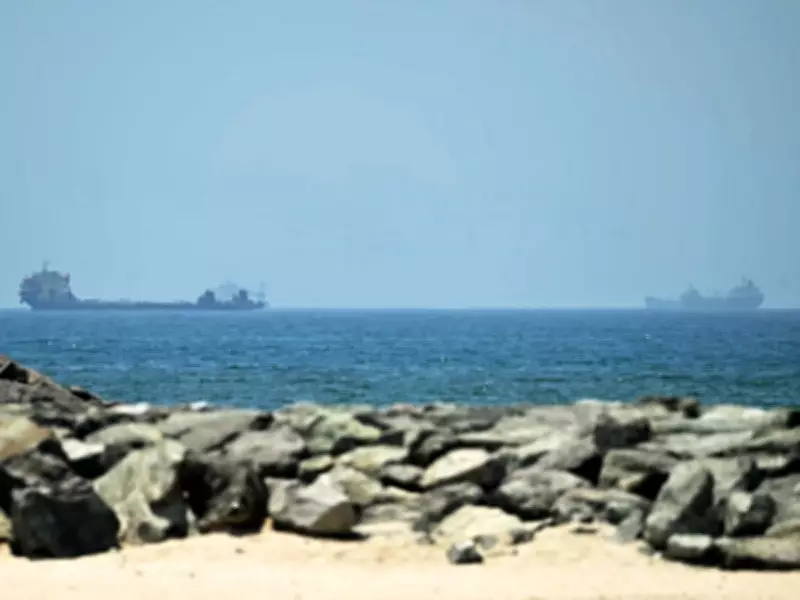
According to the Wall Street Journal, Tehran offered to transfer some of its stockpile of highly enriched uranium to a third country but rejected the idea of dismantling its nuclear facilities. Iran disputed the report via the semi-official news agency Tasnim. While a trickle of vessels has transited Hormuz—with the UAE and Saudi Arabia sneaking several tankers out and Qatar sending a shipment of liquefied natural gas—flows remain just a fraction of pre-war levels.
A drone strike on Sunday that briefly set a cargo vessel ablaze off Qatar highlighted the ongoing dangers to shipping. The United Arab Emirates and Kuwait also reported intercepting hostile drones.
Market and Industry Reactions
Should Hormuz traffic remain curtailed for more than a few weeks, the oil market will only normalize in 2027, according to Saudi Aramco CEO Amin Nasser. The company has redirected some oil flows through Yanbu port on Saudi Arabia's west coast to offset lost seaborne supplies. Wall Street is increasingly convinced that shipping will remain impaired into the second half of the year; a majority of respondents to a Goldman Sachs Group Inc. survey expected disruptions beyond the end of June.
In an interview on CBS's 60 Minutes, Israeli Prime Minister Benjamin Netanyahu warned that the war with Iran is 'not over,' adding that more work is needed to dismantle the country's nuclear capability and remove its stockpile of highly enriched uranium.
Geopolitical Implications
Trump is scheduled to meet Chinese President Xi Jinping this week, and U.S. officials said Sunday that he is expected to press Beijing over its approach to Iran. Revenue that China provides to Iran, as well as potential weapons exports, are among topics to be discussed. The ongoing crisis continues to stoke inflation fears and disrupt global energy supplies.