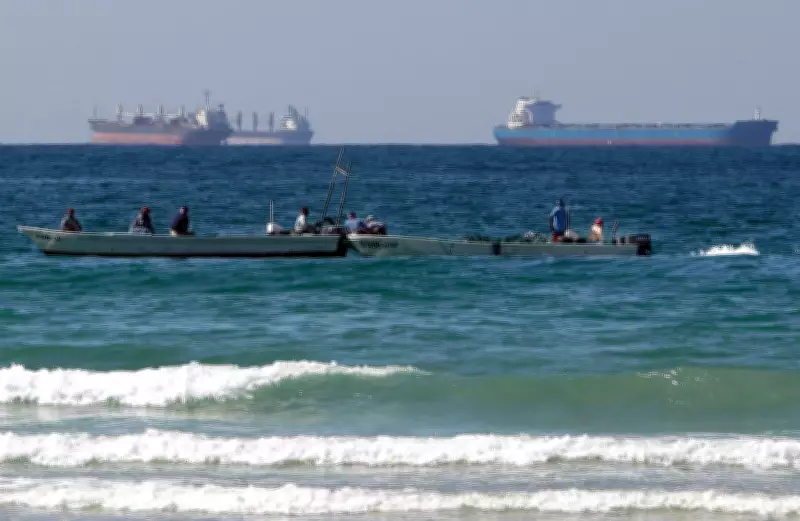
Oil Markets React to Easing Tensions in Key Shipping Lane
Global oil prices witnessed a significant decline on Thursday, March 13, 2026, as market tensions eased following the safe passage of an Indian oil tanker through the strategically vital Strait of Hormuz. The price drop reflects renewed confidence in the stability of this crucial maritime corridor, which handles approximately one-fifth of the world's oil shipments.
Navigating Geopolitical Waters
The Strait of Hormuz serves as a narrow chokepoint between the Persian Gulf and the Gulf of Oman, making it one of the most sensitive locations for global energy security. Any disruption in this area can trigger immediate price spikes and supply concerns across international markets. The successful transit of the Indian vessel without incident provided much-needed reassurance to traders and analysts monitoring the region's stability.
Market analysts noted that while the price decline was moderate, it signaled a temporary relief from the persistent anxiety surrounding Middle Eastern shipping routes. "The safe passage of commercial vessels through Hormuz remains critical for maintaining global oil price stability," explained one energy market strategist. "Today's movement demonstrates how quickly markets can react to developments in this strategic waterway."

Broader Context of Energy Security
This development occurs against a backdrop of ongoing regional tensions that have periodically threatened maritime security in the Persian Gulf. The Strait of Hormuz has been a flashpoint for geopolitical conflicts, with previous incidents causing temporary disruptions to oil flows and subsequent price volatility.
The importance of this shipping lane cannot be overstated, as it serves as the primary export route for oil producers including Saudi Arabia, Iraq, the United Arab Emirates, and Iran. Any sustained disruption would have immediate consequences for global energy supplies and economic stability worldwide.
Looking Ahead
While the immediate price reaction has been positive for consumers and industries dependent on stable energy costs, experts caution that the underlying geopolitical risks in the region remain unchanged. The temporary price relief highlights the fragile nature of global oil markets and their sensitivity to developments in key transit corridors.
Energy traders will continue monitoring maritime traffic through the Strait of Hormuz closely, as further incidents could quickly reverse today's price gains. The incident serves as a reminder of how interconnected global energy markets have become, with developments in one narrow waterway affecting economies thousands of miles away.