In a stark reminder of economic pressures, many Americans are feeling the pinch at the gas pump, with one individual recently spending $150 to fill their tank. This personal frustration mirrors broader concerns as oil prices climb, evoking memories of the 1970s energy crisis when prices skyrocketed dramatically.
Historical Context and Current Challenges
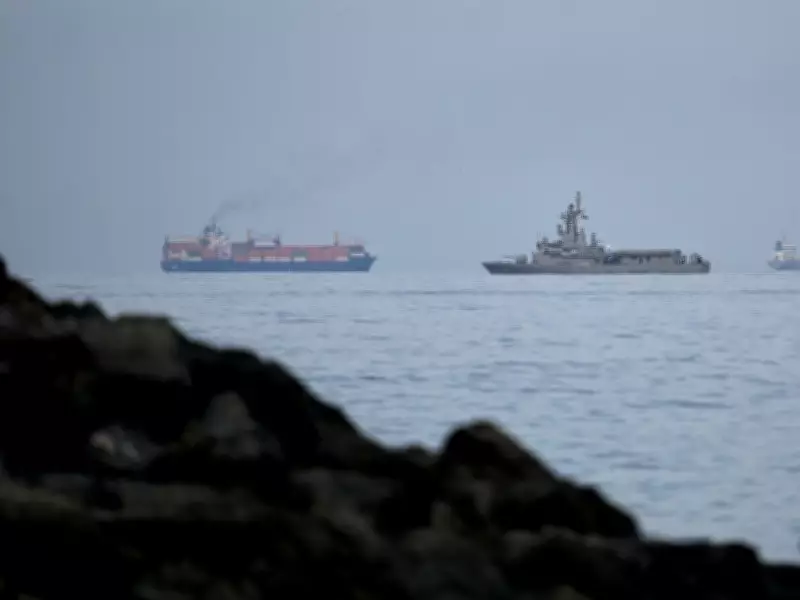
During the 1970s, The Economist famously featured a map of the Persian Gulf with the headline, "What’s a Nice Thing Like Oil Doing in a Place Like This?" This question remains relevant today as geopolitical tensions, particularly involving Iran, threaten global oil supplies. The Strait of Hormuz, a critical chokepoint through which 20% of the world's oil passes, is a focal point for such disruptions.
By impeding shipping in this region, hostile actors aim to drive up fuel costs in free nations like the United States, hoping to sway public opinion and pressure leaders such as President Donald Trump to withdraw from conflicts. This strategy preys on the economic anxieties of citizens, turning gas prices into a tool of psychological warfare.

Government Responses and Market Dynamics
In times of crisis, governments often face the temptation to intervene in markets, but history shows that such actions can backfire. During the 1970s, President Jimmy Carter implemented price controls and created the Department of Energy in an attempt to stabilize the situation. However, these measures exacerbated the problem, leading to his electoral defeat.
In contrast, President Ronald Reagan's approach of removing government interventions allowed market forces to adjust, resulting in a significant drop in oil prices. This underscores the importance of maintaining open and free markets to facilitate natural supply and demand adjustments, rather than seeking short-term political fixes that may worsen long-term outcomes.
National Security Imperatives
Beyond economic policy, protecting national security is a critical government responsibility that is sometimes neglected. The Iranian regime's pursuit of nuclear weapons dates back to 2002, as reported by The Wall Street Journal, with ongoing enrichment activities despite diplomatic efforts by administrations like those of Barack Obama and Joe Biden.
The easing of sanctions under these presidents provided Iran with hundreds of billions of dollars, which have been used to fund terrorism, including the horrific Hamas attack on Israel in October 2023. Additionally, recent domestic attacks in states like Michigan and Texas by individuals with Middle Eastern ties highlight vulnerabilities, especially with agencies like the Department of Homeland Security facing funding challenges.
Weak leadership that governs by poll rather than principle can leave nations exposed to threats. For instance, during Bill Clinton's presidency, defense spending as a percentage of GDP declined, and the 9/11 attacks occurred shortly after he left office, underscoring the consequences of inadequate vigilance.
Conclusion: Balancing Freedom and Security
In facing these dual challenges of economic strain and security threats, it is essential to remember that freedom comes at a cost. Keeping markets free at home while remaining vigilant against foreign fanatics with resources and malicious intent is crucial for national strength. As citizens navigate short-term inconveniences, they must recognize that enduring such hardships is part of safeguarding liberty and stability in an unpredictable world.