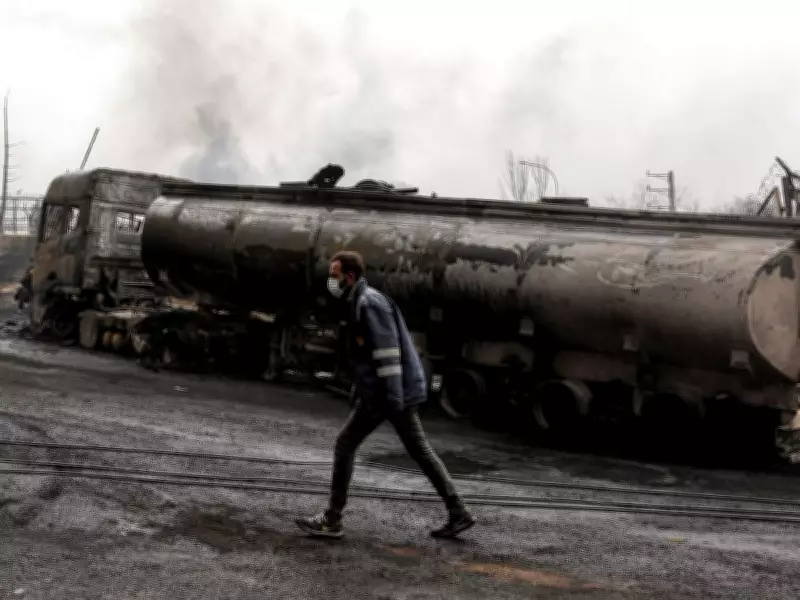
The persistent war in the Middle East is casting a long shadow over global oil markets, with disruptions to critical exports from the region sending fuel costs soaring. This surge in oil prices is rippling through economies worldwide, and Canada is no exception. As geopolitical tensions escalate, investors are increasingly turning to gold, a traditional safe haven asset, to hedge against uncertainty.
Impact on Canadian Energy and Economy
Oil prices have climbed to their highest levels in years due to supply interruptions caused by the conflict. For Canadians, this translates into higher gasoline prices at the pump, increased costs for groceries and flights, and renewed inflation pressures. However, there is a silver lining for Alberta's oil industry and provincial government finances, which could benefit significantly if these elevated prices persist over the long term.
Gold's Appeal in Turbulent Times
Amid the geopolitical instability, gold continues to gain traction among investors seeking stability. Theo Yameogo, Ernst & Young's Americas Metals and Mining leader, discusses the trajectory of gold prices, highlighting its role as a protective asset during crises. The precious metal's allure underscores the broader market anxiety driven by the ongoing war.

Oil Market Recovery Timeline
Even if the conflict in Iran were to end abruptly, oil markets face a prolonged healing process. Rory Johnston, founder of Commodity Context, notes that it could take months for supply chains to normalize and prices to stabilize. This extended timeline adds to the economic uncertainty, affecting global energy strategies and consumer costs.
Bank of Canada's Stance
Douglas Porter, chief economist at BMO Financial Group, provides insights into how the energy crisis might influence Canada's economy. He suggests that the Bank of Canada is likely to maintain its current monetary policy stance, avoiding rate hikes despite inflationary pressures from higher oil prices. This cautious approach aims to balance economic growth with stability during the crisis.
The interplay between disrupted oil supplies and gold's safe-haven status highlights the complex dynamics at play in today's volatile markets. As the war continues, stakeholders from investors to policymakers must navigate these challenges, with implications for everything from household budgets to national economic strategies.