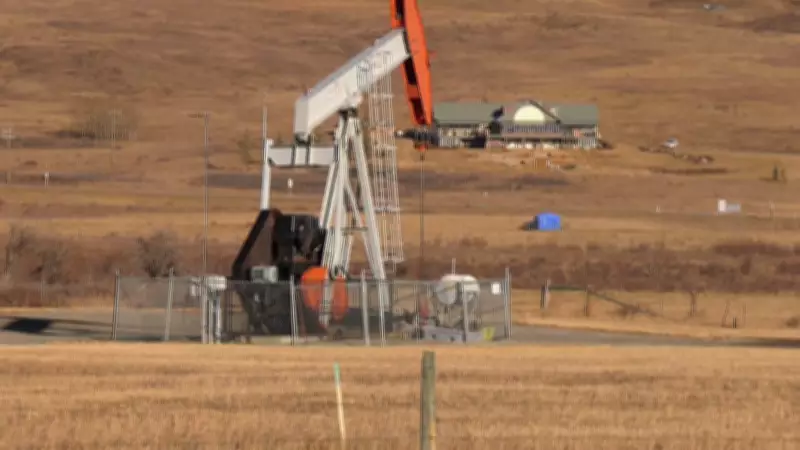
Oil Prices Surge to $100, Driving Up Consumer Costs Across Canada
Experts are urging Canadians to brace for rising prices on a wide range of goods and services, from groceries to airline travel, as oil prices surge to approximately $100 per barrel. This significant increase is already being felt by consumers across the country, with potential long-term economic repercussions.
Immediate Effects on Daily Expenses
The spike in oil prices is directly impacting transportation and logistics, leading to higher costs for businesses that rely on fuel. This, in turn, is being passed on to consumers through increased prices at grocery stores and for airline tickets. WestJet, a Calgary-based airline, has been fined $70,000 by the Canadian Transportation Agency, highlighting regulatory scrutiny in the sector amid these economic pressures.
Additionally, the conflict in Iran is expected to further exacerbate costs, particularly for farming operations and grocery items, as geopolitical tensions disrupt global supply chains. This could lead to sustained inflation in essential goods, affecting household budgets nationwide.

Broader Economic and Social Impacts
Beyond consumer goods, the oil price surge is influencing various sectors. For instance, Nova Scotia has adjusted gasoline prices three times in a single week, reflecting market volatility. In the automotive industry, an automaker has been allowed more tariff-free imports from the U.S. due to increased Canadian production, a move that may offer some relief but does not offset overall cost hikes.
Socially, incidents such as a minor being hospitalized after a car accident in Anjou and flooding in Grand River watershed communities underscore the interconnectedness of economic and public safety issues. These events highlight how broader economic trends can have tangible effects on local communities.
Expert Warnings and Future Outlook
Financial analysts and industry experts predict that if oil prices remain elevated, Canadians could face prolonged periods of higher living costs. This situation is compounded by other factors, such as extreme weather events like freezing rain in Ottawa and Montreal, which can disrupt supply chains and increase expenses.
In response, some mayors are calling for federal alignment on infrastructure projects, such as the Alto rail along Highway 401, to improve transportation efficiency and potentially mitigate some cost pressures. However, immediate relief appears limited, with consumers advised to budget carefully and monitor price changes closely.
Overall, the surge in oil prices to around $100 per barrel is a critical issue with far-reaching consequences for Canadian consumers, businesses, and the economy at large.