Oil Prices Plunge Over 10%, U.S. Stocks Surge as Iran Reopens Strait of Hormuz
In a dramatic shift for global markets, oil prices have dropped by more than 10%, while U.S. stocks have soared following Iran's decision to reopen the strategic Strait of Hormuz. This move comes after weeks of heightened tensions in the Middle East, which had previously threatened to disrupt critical oil supply routes and drive up energy costs worldwide.
Market Reaction to Geopolitical Developments
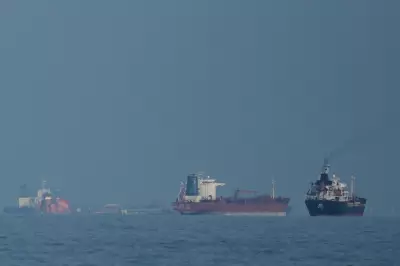
The reopening of the Strait of Hormuz, a vital chokepoint for approximately one-fifth of the world's oil supply, has immediately alleviated fears of a prolonged supply crunch. As a result, benchmark crude oil prices experienced a sharp decline, falling over 10% in trading sessions. Concurrently, U.S. stock markets rallied significantly, with major indices posting substantial gains as investor confidence rebounded.
This market response underscores the sensitivity of global economies to geopolitical events in oil-producing regions. Analysts note that the swift reversal in oil prices reflects the market's relief at the resumption of normal shipping traffic through the strait, which had been partially restricted due to regional conflicts.

Impact on Broader Economic Landscape
The drop in oil prices is expected to have widespread implications, potentially lowering costs for consumers and businesses reliant on energy. Industries such as transportation and manufacturing may benefit from reduced fuel expenses, which could help mitigate inflationary pressures that have been a concern in recent months.
Meanwhile, the surge in U.S. stocks highlights a renewed optimism among investors, who are now focusing on the potential for stabilized energy markets and reduced geopolitical risks. Financial experts suggest that this development could support economic growth by easing uncertainty and fostering a more favorable investment climate.
Historical Context and Future Outlook
The Strait of Hormuz has long been a flashpoint in global energy security, with its closure or disruption historically leading to spikes in oil prices and market volatility. Iran's decision to reopen it marks a significant de-escalation, though observers caution that the situation remains fluid and dependent on ongoing diplomatic efforts.
Looking ahead, market participants will closely monitor further developments in the region, as any renewed tensions could quickly reverse the current trends. The interplay between geopolitical stability and market dynamics continues to be a critical factor for global economic health.
In summary, the reopening of the Strait of Hormuz by Iran has triggered a notable market correction, with oil prices plunging and U.S. stocks soaring. This event serves as a reminder of the interconnectedness of geopolitical actions and financial markets, shaping economic conditions on a global scale.