Oil Prices Soar Above US$100 as Iran Intensifies Gulf Attacks
Global oil markets experienced a significant surge this week, with prices climbing above US$100 per barrel. This sharp increase comes in response to Iran's intensified military actions targeting key locations in the Gulf region. The escalating conflict has disrupted shipping routes and raised fears of broader supply chain interruptions, directly impacting energy costs worldwide.
Mixed Reactions in Global Stock Markets
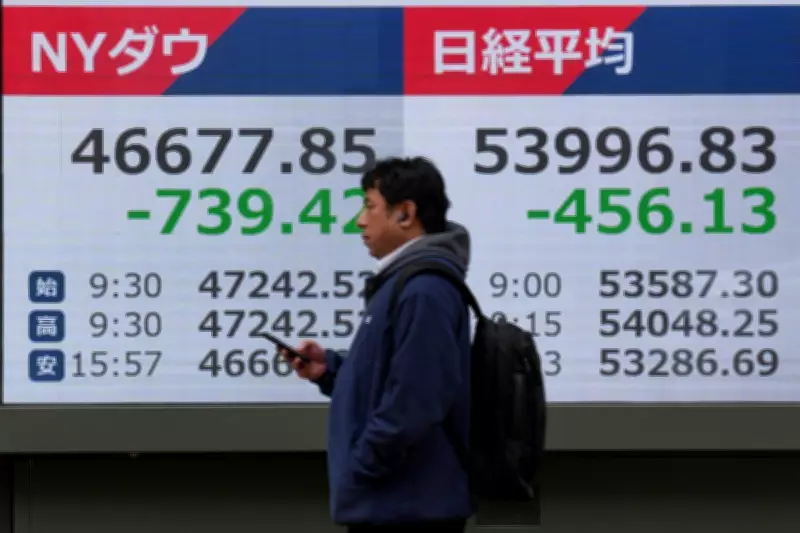
As oil prices spiked, stock markets around the globe displayed a mixed performance. Investors grappled with the uncertainty brought on by the geopolitical tensions, leading to volatile trading sessions. In Asia, Japan's Nikkei index showed modest gains, while European and North American markets faced pressure from rising energy expenses and inflationary concerns.
The situation has added a new layer of complexity to economic forecasts, particularly for central banks like the Bank of Canada, which are already navigating clouded monetary policy decisions. High fuel costs are proving challenging for small businesses, with many describing the financial burden as pretty hard to swallow in the current climate.

Broader Economic and Security Implications
Beyond the immediate market reactions, the Iran war is influencing global energy strategies and defense alliances. Canada has joined forces with the Nordic Five to enhance Arctic defense measures, aiming to protect sovereignty amid the instability. This move underscores the wider geopolitical shifts triggered by the conflict.
Experts warn that the sustained high oil prices could lead to prolonged economic strain, affecting everything from consumer spending to corporate profitability. The energy warfare dynamic highlights how regional conflicts can swiftly translate into global economic challenges, with ripple effects felt across multiple sectors.