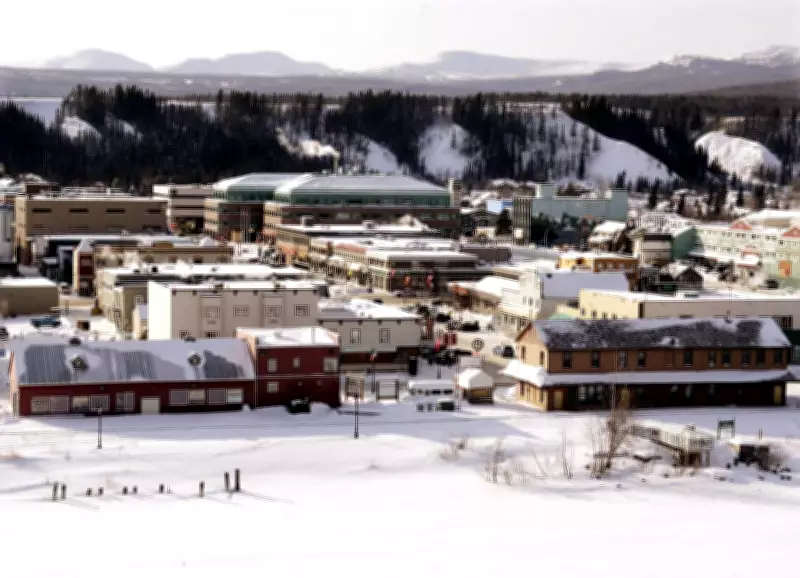
Power Struggles in Northern Canada: Small Populations, Massive Infrastructure Demands
Northern Canadian communities are grappling with significant infrastructure challenges, particularly in the realm of power generation and distribution. These remote areas, characterized by sparse populations and harsh climates, face unique hurdles in meeting their energy needs. The vast distances and limited economic scale often make traditional power solutions impractical or prohibitively expensive.
The Core of the Challenge
The fundamental issue lies in the mismatch between the small population bases and the enormous costs associated with building and maintaining reliable power infrastructure. Unlike densely populated southern regions, where economies of scale can reduce per-capita expenses, northern territories must contend with logistical nightmares. Transporting materials, constructing facilities in extreme weather, and ensuring continuous operation in isolated locations drive costs sky-high.
This situation creates a persistent power struggle, not just in terms of electricity but also in political and economic dimensions. Local governments and indigenous communities often find themselves advocating for federal support to bridge the funding gap. The reliance on diesel generators in many areas further complicates matters, posing environmental risks and vulnerability to fuel supply disruptions.

Broader Implications and Potential Solutions
The infrastructure shortfalls extend beyond mere inconvenience; they impact economic development, public health, and quality of life. Businesses may hesitate to invest where power is unreliable, limiting job opportunities. Residents face higher living costs and potential safety risks during outages, especially in winter months.
Potential pathways forward include:
- Renewable energy investments: Harnessing local resources like wind, solar, or hydro power could reduce dependence on imported fuels.
- Microgrid technologies: Developing smaller, decentralized power systems tailored to specific communities.
- Enhanced federal partnerships: Increasing collaboration between territorial and national governments to secure funding and expertise.
- Innovative financing models: Exploring public-private partnerships or green bonds to attract investment.
Addressing these power struggles is crucial for ensuring equitable development across Canada. As climate change intensifies, with more frequent extreme weather events, resilient infrastructure becomes even more vital. The choices made today will shape the sustainability and prosperity of northern regions for generations to come, making this a pressing national priority that demands immediate attention and strategic action.