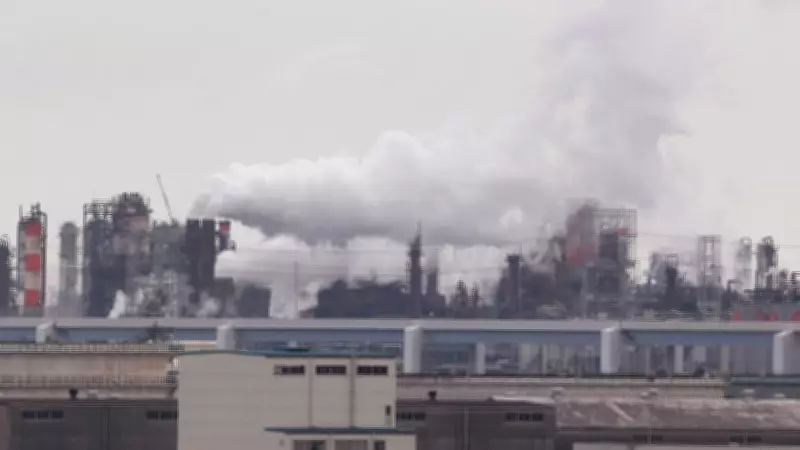
In a significant move to stabilize global energy markets, Japan has announced plans to release oil from its strategic petroleum reserves. This decision comes as the United States intensifies its "Buy American" campaign, urging domestic procurement of energy resources amid ongoing international supply chain disruptions.
Coordinated Response to Market Volatility
The Japanese government confirmed the release, which is part of a broader international effort to address oil price fluctuations and supply shortages. The strategic petroleum reserves, maintained for national security and emergency purposes, will be tapped to help mitigate the impact of reduced global oil flows.
U.S. Policy Influences Global Energy Dynamics
Concurrently, the U.S. administration has been advocating for increased domestic energy production and consumption through its "Buy American" initiative. This policy aims to reduce reliance on foreign oil imports and bolster the national economy by prioritizing American-made energy products.

The timing of Japan's announcement highlights the interconnected nature of global energy policies. As one of the world's largest oil importers, Japan's actions are closely watched by international markets and can influence pricing and availability worldwide.
Implications for International Trade
Experts suggest that Japan's decision to release oil stocks may help alleviate short-term supply pressures, but long-term solutions require coordinated international efforts. The U.S. "Buy American" push, while focused on domestic benefits, could reshape global trade patterns and energy partnerships.
Market analysts are monitoring the situation closely, as these developments occur against a backdrop of geopolitical tensions and economic uncertainties. The release of strategic reserves is a tool often used by nations to manage market stability during crises.
Future Outlook and Strategic Considerations
Looking ahead, both Japan and the United States are expected to continue adjusting their energy strategies in response to evolving global conditions. Japan's reserve release demonstrates a proactive approach to energy security, while the U.S. emphasizes self-sufficiency and domestic industry support.
These parallel actions underscore the complex balance between national interests and international cooperation in the energy sector. As countries navigate supply challenges and policy shifts, the global energy landscape remains in a state of flux, with implications for consumers, industries, and economies worldwide.