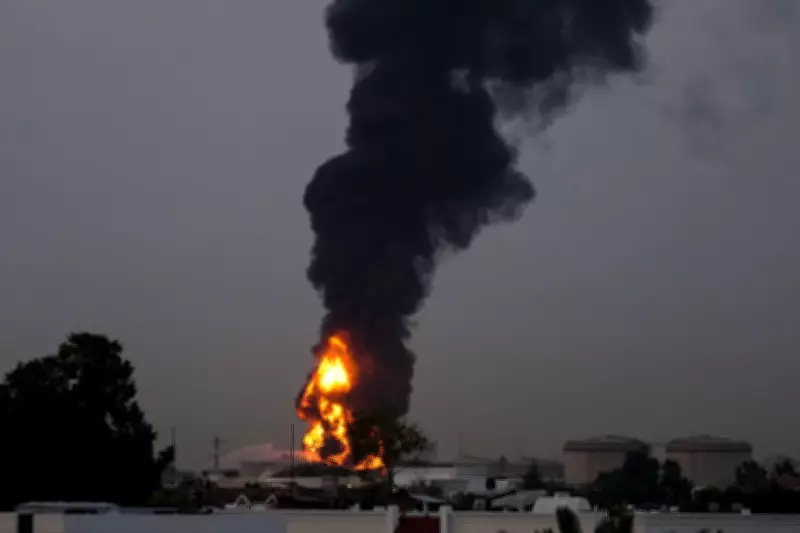
Fears of a global energy crisis are escalating as Iran maintains a stranglehold on key shipping lanes and launches a drone attack on Dubai International Airport. The incident, which occurred on March 16, 2026, involved a strike on a fuel tank, causing fires and plumes of smoke that forced the temporary suspension of flights. This aggressive move has intensified concerns over energy security and market stability worldwide.
Impact on Global Energy Markets
The disruption of shipping routes by Iran, particularly in the Middle East, is creating significant volatility in the global energy market. Analysts warn that this "energy warfare" could lead to supply shortages and soaring prices, affecting economies reliant on oil and gas imports. Small businesses, for instance, are already grappling with high fuel costs, describing the situation as "pretty hard to swallow."
Security and Economic Ramifications
The drone strike near Dubai airport underscores the broader security threats posed by the conflict. With one person reported in life-threatening condition from a separate stabbing incident in North York, the unrest is having ripple effects beyond the region. The Bank of Canada faces added uncertainty in its economic assessments, as the war in Iran complicates already clouded financial forecasts.

In response, international efforts are underway to mitigate the crisis. Canada and the Nordic Five have united to protect sovereignty through Arctic defence strategies, highlighting the geopolitical stakes. Meanwhile, political figures like Carney are engaging in talks, such as meeting Keir Starmer in London, to address the shipping disruptions and their global implications.
As the situation unfolds, experts emphasize the need for diversified energy sources and enhanced security measures to prevent further escalation. The world watches closely, with the potential for prolonged instability in energy supplies if Iran's actions continue unchecked.