Energy Warfare: The Iran Conflict's Deepening Impact on Global Markets
The ongoing war in Iran has thrust the global energy market into a state of heightened volatility and uncertainty, with analysts warning of potential long-term disruptions to oil supplies and price stability. As military actions intensify, critical shipping lanes and energy infrastructure face escalating risks, prompting urgent reassessments by governments and industries worldwide.
Strategic Chokepoints Under Threat
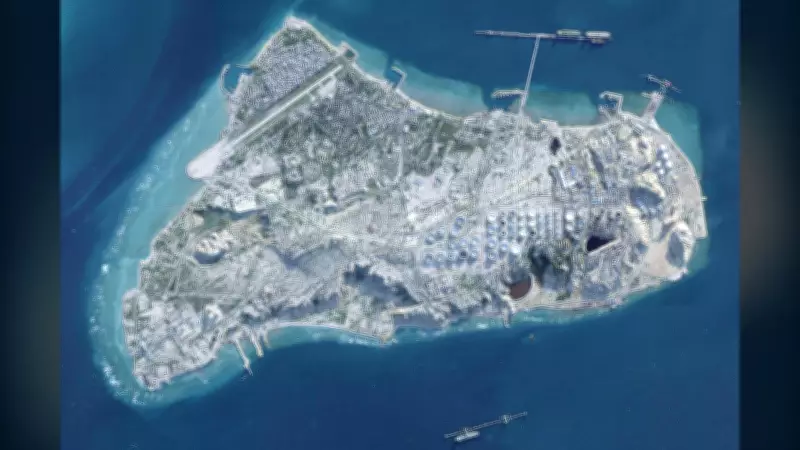
The Strait of Hormuz, a narrow maritime passage through which approximately one-fifth of the world's oil transits daily, has become a focal point of geopolitical tension. Recent deployments of U.S. warships to the region, ordered by the Trump administration, have raised questions about the alignment of American allies and the potential for broader naval confrontations. Military strikes, including those targeting Iran's Kharg Island—a key oil export terminal—have already demonstrated the vulnerability of energy assets to conflict.
Retired military officials caution that there is "no quick pathway out" of the Iran war, suggesting that energy market instability may persist for the foreseeable future. The situation is further complicated by attacks on diplomatic facilities, such as the U.S. Embassy in Baghdad, which underscore the expanding geographical reach of the conflict.

Global Economic Ripples and Regional Responses
In Canada, former Bank of Canada Governor Mark Carney has emphasized the country's role as a reliable oil exporter, noting that Canada does not require strategic petroleum reserves due to its status as a major producer. However, the Bank of Canada faces added complexity in its monetary policy decisions, as the war introduces new variables into an already clouded economic outlook.
Meanwhile, the United States has eased some sanctions on Russian oil in an attempt to stabilize supplies, yet crude prices remain elevated, reflecting market anxieties. The conflict has also led to the cancellation of major sporting events, including Formula 1 races in Bahrain and Saudi Arabia, highlighting its wide-ranging economic and cultural impacts.
Domestic Pressures and Consumer Consequences
Rising fuel prices are driving up operational costs for businesses across sectors, from transportation to manufacturing. In Saskatchewan, enterprises report significant financial strain due to increased energy expenses, a trend mirrored in other provinces. Consumers are feeling the pinch as well, with higher costs for heating, transportation, and goods contributing to broader inflationary pressures.
In Newfoundland and Labrador, families are increasingly turning to food banks as heat, rent, and grocery bills become more burdensome. This economic squeeze is exacerbated by the global energy market's turbulence, demonstrating how geopolitical conflicts can translate into everyday hardships.
Long-Term Implications for Energy Security
The Iran war underscores the fragility of global energy supply chains and the interconnectedness of geopolitical stability with market dynamics. As the conflict enters its third week, with no clear resolution in sight, governments and corporations are reevaluating their energy strategies. Investments in alternative sources and infrastructure, such as Venture Global's CP2 LNG project, may accelerate in response to these uncertainties.
Ultimately, the "energy warfare" stemming from the Iran conflict is reshaping global trade patterns, economic policies, and national security considerations, with lasting effects likely to extend far beyond the immediate battlefield.