The ongoing conflict involving Iran has entered a critical phase, with 50 days of hostilities resulting in staggering economic consequences. According to recent analyses, the turmoil has led to an estimated loss of $50 billion in oil value, sending shockwaves through global energy markets and exacerbating inflationary pressures.
Disruptions in Vital Shipping Lanes
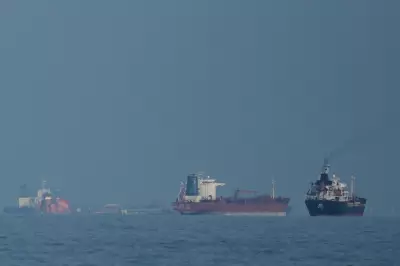
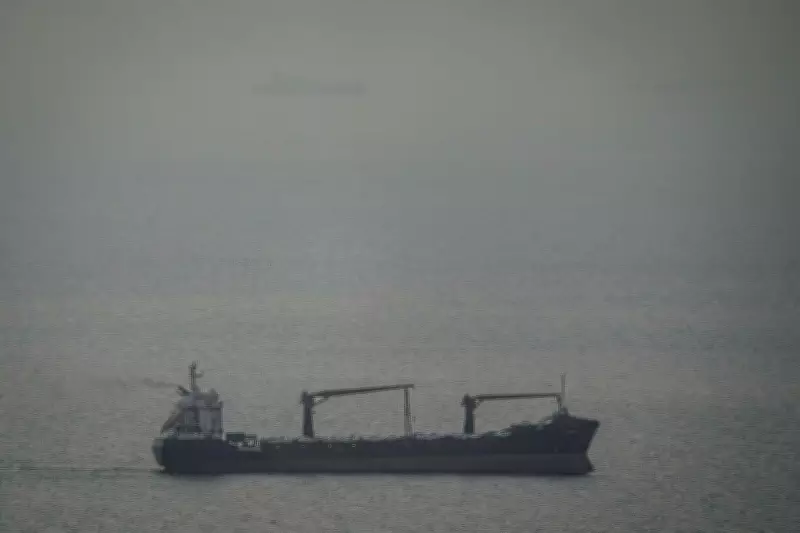
The Strait of Hormuz, a crucial maritime chokepoint through which approximately one-fifth of the world's oil passes, has become a focal point of instability. Recent incidents, including heightened military activity and security threats, have severely hampered the flow of oil tankers. This disruption has not only driven up shipping costs but also created significant supply chain bottlenecks, contributing to volatile oil prices.
Broader Economic Ramifications
Beyond the immediate oil sector, the conflict's ripple effects are being felt across various industries. Independent grocers and other businesses are grappling with increased operational costs due to higher fuel prices and logistical challenges. The situation underscores the interconnected nature of global trade, where geopolitical tensions in one region can trigger widespread economic strain.

Environmental and Social Costs
In addition to economic losses, the conflict poses severe environmental risks. The Arabian Gulf's delicate marine ecosystems are under threat from potential oil spills and increased naval traffic. Local communities dependent on fishing and tourism face uncertain futures as the war drags on, highlighting the human toll beyond financial metrics.
International Response and Future Outlook
Diplomatic efforts, including talks aimed at resuming safe shipping through the Strait of Hormuz, are underway. However, the path to de-escalation remains fraught with challenges. Experts warn that prolonged conflict could lead to further economic destabilization, affecting everything from consumer prices to international trade agreements.
The $50 billion oil loss serves as a stark reminder of how quickly geopolitical events can reshape global markets. As the situation evolves, stakeholders from governments to corporations are closely monitoring developments, hoping for a resolution that restores stability to this vital region.