Iran Conflict Triggers Global Gas Market Upheaval with Long-Term Disruptions
The ongoing war in Iran is fundamentally reshaping the global gas market, with industry experts warning of prolonged disruptions in the Persian Gulf that could last for years. Emerging economies are already bearing the brunt of this crisis, facing severe energy shortages and economic strain.
Critical LNG Plant Shutdowns
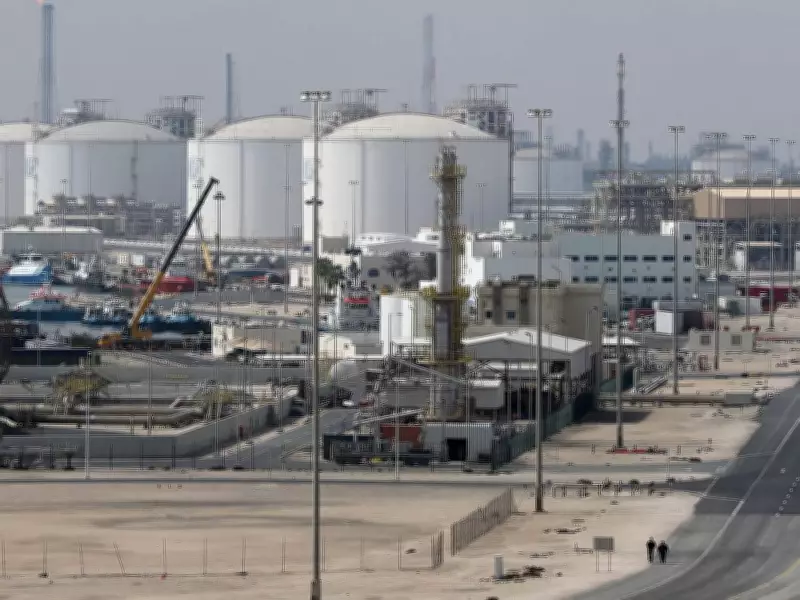
Qatar's Ras Laffan liquefied natural gas plant, the world's largest, was forced to close earlier this month following an Iranian drone attack. This marks the first supply interruption in three decades of operation. Subsequent retaliatory strikes, including an Israeli attack on the South Pars fields, have caused extensive damage to the wider complex, potentially delaying any return to normal operations significantly.
Each week the plant remains idle, the world loses energy equivalent to powering Sydney's homes for an entire year. The exact scale of destruction and repair timelines remain unclear, but every day without operation intensifies the global energy strain.

Impact on Emerging Economies
For emerging nations, which are vital growth markets for LNG, this represents a second gas calamity in four years, following the 2022 energy crisis triggered by Russia's invasion of Ukraine. The disruptions are already destroying industrial demand, possibly irreparably. In Asia, which purchases four-fifths of Qatar's LNG, shortages are becoming visible, leading to issues like cooking gas shortages in India that have sparked conflicts.
Saul Kavonic, an energy analyst at MST Marquee, stated, "We are now well on our way to a doomsday gas crisis scenario. Even once the war ends, the disruption to LNG supply could last for months or even years — depending how long it takes to repair the damage."
Broader Energy Chain Disruptions
Three weeks of conflict have upended the entire energy supply chain. With the Strait of Hormuz nearly closed, prices for gasoline and jet fuel are surging, while farmers worry about diesel and fertilizer shortages. LNG, with no spare capacity, strategic reserves, or easy replacements, is emerging as one of the most acute pain points in this expanding crisis.
The longer the disruptions persist, the only solution may be for the world to use less gas. This is a major setback for an industry that has promoted gas as a reliable and affordable bridge from coal to renewable energy. Without gas, power plants reduce output, and factories in sectors like fertilizer and textiles shut down.
Market Implications and Forecasts
The crisis has likely erased a global gas glut that was expected this year due to increased production. While the U.S. continues to ramp up output, the Middle East's hobbled capacity quickly turns the balance negative. Morgan Stanley warns that an interruption beyond one month "quickly brings a deficit," and if it stretches to three months, it would be the biggest LNG outage in the industry's half-century history.
Toby Copson, a portfolio manager at Davenport Energy, noted, "South and Southeast Asia are going to be the immediate casualties. If the disruption does extend for months, we see indices going parabolic again."
This situation underscores the fragility of global energy markets and the far-reaching consequences of geopolitical conflicts on economic stability and growth.