Iran Conflict Exposes Vulnerabilities in Trump's Oil-Centric Foreign Policy
The intensifying military confrontation with Iran has brought into sharp focus the potential dangers of President Donald Trump's unwavering emphasis on oil interests in shaping American foreign policy. As tensions escalate in the Middle East, analysts are questioning whether this single-commodity approach adequately addresses complex geopolitical realities.
Economic Turbulence Follows Military Escalation
Financial markets have experienced significant volatility following recent hostilities, with the Bank of England citing the Iran conflict as a primary factor influencing inflation expectations. Investors worldwide are grappling with cloudier forecasts for Federal Reserve interest rate decisions as the war disrupts global energy supplies and creates uncertainty across multiple sectors.
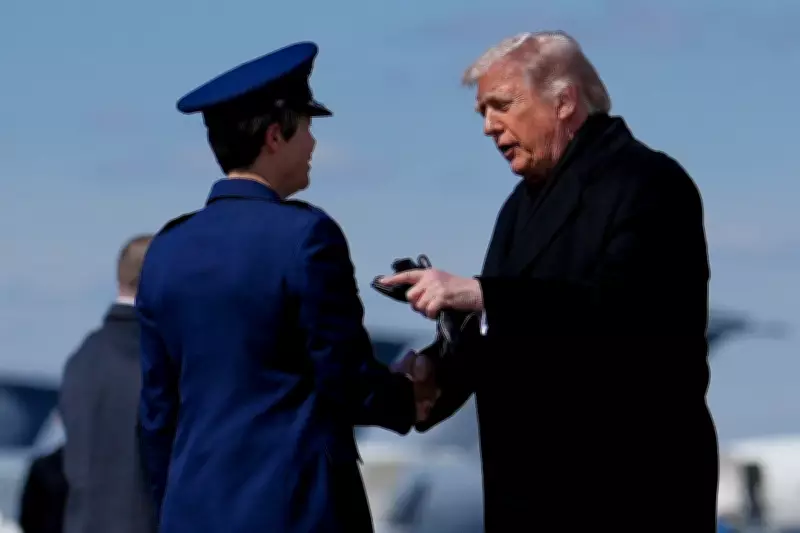
The situation reached a somber milestone this week when President Trump traveled to Dover Air Force Base to honor six crew members who died when their Air Force refueling aircraft crashed in western Iraq while supporting operations against Iran. This tragic event has amplified debates about the human costs of military engagements driven by resource considerations.

Strategic Implications of Resource-Focused Diplomacy
Foreign policy experts warn that prioritizing petroleum interests above broader strategic considerations may create long-term vulnerabilities. "When energy security becomes the predominant lens through which we view international relations, we risk overlooking crucial diplomatic, humanitarian, and security dimensions," noted one geopolitical analyst who requested anonymity due to the sensitivity of ongoing operations.
The administration's approach has drawn particular scrutiny as it coincides with other significant developments, including Uber's announcement of a US$1.25 billion investment in Rivian as part of a robotaxi deal, demonstrating how technological transformation in transportation could eventually reduce petroleum dependence.
Broader Context of Global Energy Transitions
While the Trump administration has championed American energy dominance through fossil fuel production, global trends suggest a more diversified future. Renewable energy investments continue to grow worldwide, and electric vehicle adoption is accelerating despite current market fluctuations caused by geopolitical instability.
The Iran conflict arrives at a pivotal moment for energy policy, with traditional petroleum-based strategies facing challenges from both technological innovation and changing climate priorities. How the administration balances immediate oil concerns with these longer-term transitions will significantly influence America's position in the evolving global energy landscape.
As military operations continue, observers will be watching closely to see whether the administration adjusts its approach or maintains its petroleum-focused strategy despite mounting evidence of its limitations in addressing complex international crises.