Iran Conflict Triggers Global Energy Alarm, Pushing Renewable Solutions
The ongoing war in Iran has sent shockwaves through the global energy landscape, exposing critical vulnerabilities in traditional supply chains and serving as a stark wake-up call for nations to accelerate their transition to renewable energy sources. With key exports like Qatar's liquefied natural gas (LNG) severely hampered by the conflict, countries worldwide are facing heightened pressure to diversify their energy portfolios and invest in sustainable alternatives such as wind and solar power.
Disruption to Traditional Energy Markets
The fallout from the Iran war has disrupted energy flows on a massive scale, particularly impacting LNG supplies from Qatar, which relies on stable regional conditions for export operations. This disruption has led to calls for increased production in other regions, such as British Columbia, but experts warn that over-reliance on fossil fuels remains a risky strategy in an increasingly volatile geopolitical climate. The conflict underscores how traditional energy sources are susceptible to political instability, threatening economic stability and energy security globally.
As energy prices fluctuate and supply chains strain, the urgency for renewable energy adoption has never been clearer. Nations are now recognizing that investments in wind turbines, solar farms, and other green technologies are not just environmental imperatives but essential for national security and economic resilience. The crisis has prompted policymakers to reevaluate energy strategies, with many accelerating timelines for renewable energy targets and infrastructure development.

Renewable Energy as a Path to Security
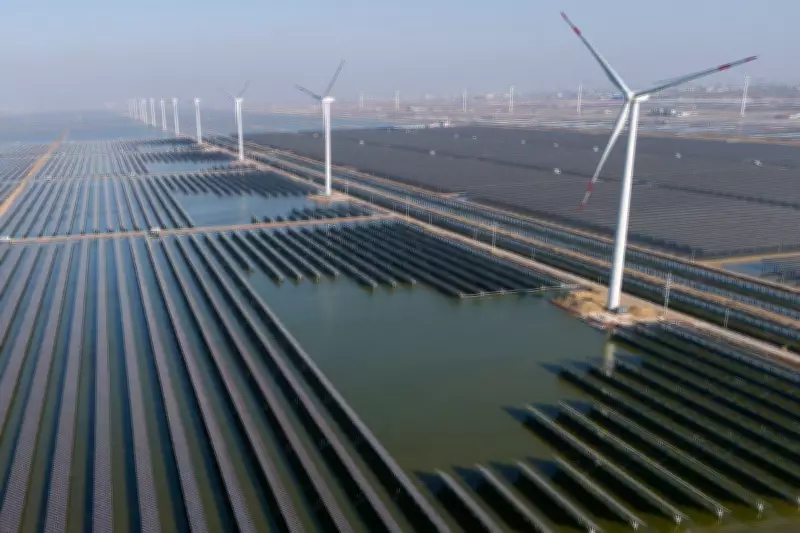
In response to the energy turmoil, countries are turning to renewables as a reliable and domestically controllable solution. For instance, wind turbines operating alongside solar farms, like those in China's Shandong province, demonstrate the potential for hybrid renewable systems to provide consistent power. These technologies reduce dependence on imported fuels and mitigate risks associated with geopolitical conflicts, offering a more stable energy future.
The shift toward renewables is also driven by long-term environmental benefits, including reduced carbon emissions and improved air quality. However, the immediate catalyst is the need for energy independence in the face of global disruptions. This transition is not without challenges, such as the need for grid upgrades and storage solutions, but the Iran war has made it a top priority for governments and businesses alike.Global Implications and Future Outlook
The energy fallout from the Iran conflict is reshaping global energy policies, with implications for trade, diplomacy, and climate action. As nations grapple with supply shortages and price spikes, renewable energy is emerging as a critical component of strategic planning. This crisis may accelerate innovation in green technology, foster international cooperation on energy projects, and lead to more robust regulatory frameworks supporting renewables.
In summary, the Iran war has acted as a catalyst for a global energy awakening, highlighting the fragility of traditional energy systems and the imperative for a swift transition to renewable sources. The path forward requires concerted efforts to scale up renewable infrastructure, invest in research and development, and build resilient energy networks that can withstand future geopolitical shocks.