The ongoing military conflict involving the United States and Israel against Iran has abruptly terminated Canadian motorists' nearly year-long period of reduced fuel costs, which began after Prime Minister Mark Carney abolished the nation's consumer carbon tax. This geopolitical turmoil has severely disrupted the flow of approximately 20 percent of the world's crude oil supply, triggering a sharp increase in global oil prices that is now directly impacting consumers at the pump across Canada.
Gasoline Prices Skyrocket Following Supply Disruption
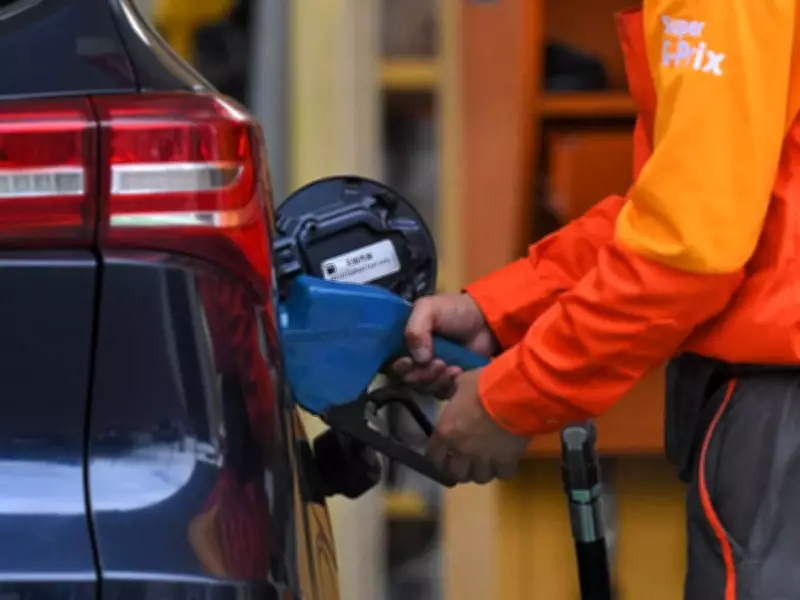
According to data from the price tracking service GasBuddy.com, the average cost for a litre of gasoline in Canada has surged dramatically to $1.55, up from approximately $1.30 in late February. This translates to roughly US$4.28 per gallon, marking a significant financial burden for drivers who had enjoyed lower prices since the carbon tax removal. The current price is actually about six cents higher than it was when the carbon tax was still in effect, as noted by Patrick De Haan, head of petroleum analysis at GasBuddy.
Economic Implications for a Major Oil Producer
The situation presents a complex economic scenario for Canada, which stands as the world's fourth largest oil producer, extracting more than five million barrels daily. While higher oil prices can boost export revenues from the nation's largest source of income, they simultaneously inflict pain on domestic consumers through elevated fuel costs. The elimination of the carbon tax by Carney on April 1 of the previous year, during a trade war with the U.S., had initially caused prices to drop by about twenty cents per litre within weeks, providing temporary relief.

Comparative Analysis with U.S. Fuel Markets
Gasoline price increases in Canada have historically outpaced those in the United States, and the current crisis is no exception. De Haan reported that fuel prices have risen by 24.6 Canadian cents over the past month in Canada, compared to an equivalent increase of 17.6 Canadian cents in the U.S. He predicts that American prices are likely to climb closer to Canadian levels in the coming days and weeks as the market adjusts to the supply shock.
Regional Price Variations and Tax Factors
Higher taxes contribute to why pump prices in Canada are typically greater than in the U.S., but interestingly, drivers in British Columbia, Canada's highest-priced province, are still paying less than their counterparts in California. B.C. consumers are facing costs equivalent to about $5.12 per gallon, whereas Californians are dealing with $5.35 per gallon, according to De Haan's analysis. This highlights how regional factors and taxation policies interplay with global market dynamics.
The conflict in Iran has fundamentally altered the energy landscape, wiping out the financial reprieve Canadian drivers experienced post-carbon tax and underscoring the vulnerability of fuel prices to international geopolitical events. As the war continues to disrupt oil supplies, consumers and policymakers alike are forced to grapple with the economic repercussions of heightened instability in key oil-producing regions.