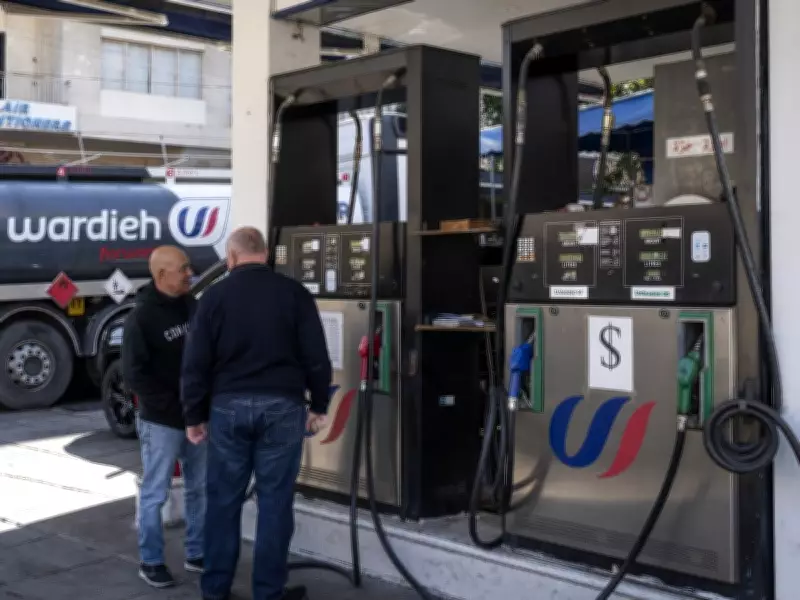
Iran Conflict Triggers Historic Oil Market Disruption, IEA Reports
The war involving Iran is creating the most significant supply disruption in the history of the global oil market, according to the International Energy Agency. This conflict is impacting a substantial 7.5% of worldwide supply and an even larger portion of exports, leading to unprecedented turmoil.
Emergency Measures and Market Chaos
In response to the escalating crisis, members of the International Energy Agency agreed to release an unprecedented 400 million barrels from emergency reserves. This decisive action was taken to counteract the chaos rippling through global energy markets. The agency highlighted these points in its monthly report, underscoring the severity of the situation.
The most immediate and critical impact has been the closure of the Strait of Hormuz, a vital trade artery. This strategic chokepoint has been effectively shut down, severing the flow of oil and gas. Major Gulf producers have been forced to slash output significantly because they cannot export from the region. Consequently, this conflict is rapidly eroding a global oil supply glut that existed prior to the hostilities.

Quantifying the Supply Shock
The International Energy Agency estimates that the war will reduce global oil supply by a staggering 8 million barrels per day this month alone. In total, this amounts to almost 250 million barrels lost. Flows through the Strait of Hormuz, which handled 20 million barrels of crude and petroleum products last year, have plummeted by more than 90%.
This massive supply shock has forced the agency to revise its projections for a global surplus in 2026 downward by just over a third, to approximately 2.4 million barrels per day. Before this crisis emerged, the IEA had anticipated a record oil glut for the year, driven by surging supply from producers across the Americas, including the United States, Canada, Guyana, and Brazil.
Ripple Effects on Demand and Prices
The resulting price surge, widespread flight cancellations, and profound economic uncertainty are also taking a severe toll on global oil demand. The International Energy Agency has consequently slashed its estimates for worldwide consumption growth this year by roughly 25%, down to 640,000 barrels per day. This represents the lowest forecast since the agency introduced its projections for 2026 last April.
Benchmark crude oil prices, such as Brent crude, climbed back above $100 per barrel in London trading. This price spike coincided with reports of two crude tankers being hit in Iraqi waters and the evacuation of Oman's key oil export terminal. Ongoing attacks on commercial shipping in the region have persisted since the war began, exacerbating market fears.
Production Shutdowns and Regional Strain
While nations like Saudi Arabia and the United Arab Emirates possess some capability to divert their barrels via alternative routes, the effective closure of the Strait of Hormuz has compelled producers around the Gulf to collectively shutter roughly 10 million barrels of daily production. This staggering figure highlights the scale of the disruption.
Furthermore, the closure jeopardizes about 4 million barrels per day of regional refining capacity. Constraints on the availability of feedstock severely limit the ability of other regions to offset this squeeze, posing particular and acute risks for supplies of critical fuels like diesel and jet fuel.
Offsetting the Losses
Output losses in the Middle East are being partially tempered by increased production from sources outside the Organization of the Petroleum Exporting Countries and its partners. Additionally, OPEC+ members Kazakhstan and Russia have ramped up their output. However, these increases are insufficient to fully counterbalance the massive shortfall created by the conflict and the strategic closure of the Strait of Hormuz, ensuring that the effects of this disruption will be felt long after the waterway eventually reopens.