Iran Targets Gulf Energy Facilities, Sending Oil Prices Soaring Again
Iran launched a new wave of drone and missile attacks against energy targets in the Gulf region on Thursday, hours after two oil tankers were hit, sending crude prices soaring once more despite record reserve releases by global powers. The renewed assaults followed a warning from Tehran that it could wage a prolonged war capable of "destroying" the world economy.
Escalating Regional Conflict and Economic Impact
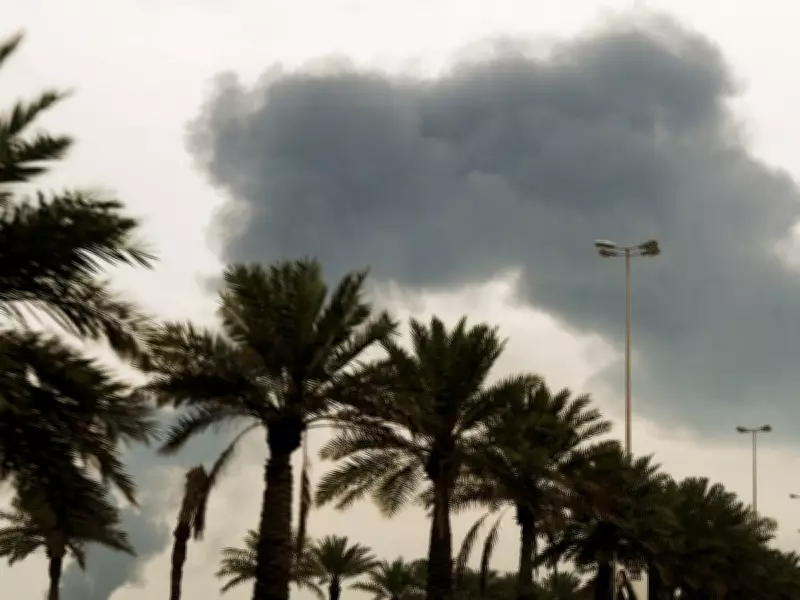
The war initiated by the United States and Israel has rapidly spread across the Middle East, resulting in hundreds of casualties from Israeli strikes in Lebanon and sparking widespread global economic upheaval. On Thursday morning, Bahrain advised residents to remain indoors and close windows following an Iranian attack on fuel tanks. Simultaneously, Saudi Arabia reported intercepting drones headed toward the Shaybah oil field and embassy districts.
Earlier, drones struck fuel tanks at Oman's Salalah port, leading to the suspension of operations. Shipping activities in and around the critical Strait of Hormuz chokepoint also came under attack. The UK maritime agency issued an alert on Thursday stating that a container ship near the United Arab Emirates was hit by an "unknown projectile," causing a small fire onboard. Fortunately, all crew members were reported safe.

Casualties and Ongoing Search Efforts
This incident followed an attack on two oil tankers near Iraq, where authorities confirmed at least one crew member had been killed. While 38 individuals were rescued, search operations for others remain ongoing. The Iraqi government's media cell informed the national news agency INA that the "two tankers were subject to sabotage," with the oil ministry expressing "deep concern" over incidents involving oil tankers in the Gulf.
In the past day alone, at least four incidents involving vessels in the region have been reported, including a Thai bulk carrier struck by two projectiles on Wednesday. According to transport company Precious Shipping, three crew members are missing and "believed to be trapped in the engine room" of the ship.
Strategic Chokepoint and Broader Threats
The Strait of Hormuz, through which approximately one-fifth of the world's oil passes, has effectively been closed due to Iranian threats. Iran has vowed that not a single litre of oil will be exported from the Gulf while the US-Israeli attack continues. Suspected Iranian attacks were also reported elsewhere in the Gulf on Thursday, with Kuwait stating that two people were injured by a "hostile drone" that struck a residential building. The United Arab Emirates additionally reported that its air defence systems were responding to a missile threat.
Political Responses and Warnings
US President Donald Trump insisted that Iran was facing imminent defeat, though he cautioned that this did not mean the war would end "immediately." His comments came amidst the escalating violence and economic disruptions. The conflict has highlighted the fragility of global energy markets and the potential for prolonged regional instability, with implications for international trade and security.
The ongoing assaults underscore the severe risks to maritime security and energy infrastructure in the Gulf, a vital artery for global oil supplies. As tensions mount, the international community faces increasing pressure to address the crisis and mitigate its far-reaching economic consequences.