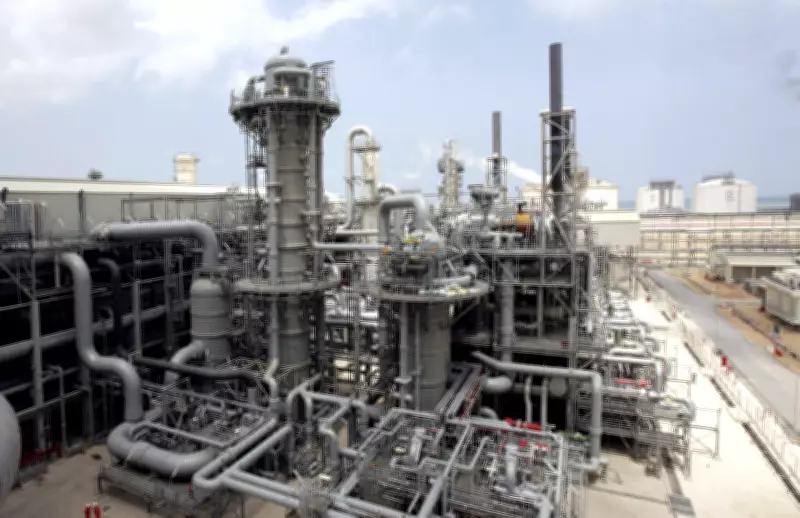
Iranian Strike Devastates Qatar's LNG Infrastructure, CEO Confirms
The Chief Executive Officer of QatarEnergy has issued a stark warning following a military attack by Iran, stating that it has effectively eliminated a substantial portion of Qatar's liquefied natural gas (LNG) export capacity. The assault has resulted in the destruction of critical infrastructure, with projections indicating that the damage will take up to five years to fully repair, creating significant disruptions in the global energy supply chain.
Severe Impact on Qatar's Energy Output
According to the QatarEnergy CEO, the attack has wiped out approximately 17% of Qatar's total LNG capacity. This represents a major blow to one of the world's leading exporters of natural gas, as Qatar is a pivotal supplier to markets across Asia and Europe. The damaged facilities, located at key sites like Ras Laffan, are essential for the liquefaction and export processes, and their incapacitation will have long-term repercussions.
Global Energy Markets Face Uncertainty
The loss of such a significant volume of LNG capacity is expected to increase volatility in global energy prices and strain supplies, particularly as nations continue to navigate transitions away from other fossil fuels. This incident underscores the geopolitical risks associated with energy infrastructure in volatile regions, potentially prompting importers to reassess their dependency on Middle Eastern gas.

QatarEnergy is now tasked with a massive reconstruction effort, which the CEO estimates could span five years, given the complexity and scale of the damage. This timeline suggests prolonged challenges for Qatar's economy, which relies heavily on hydrocarbon exports, and may influence investment decisions in the country's energy sector moving forward.
Broader Implications for Regional Stability
This attack not only impacts Qatar's economic standing but also heightens tensions in the Persian Gulf, a critical corridor for global energy shipments. The incident may lead to increased military posturing and diplomatic maneuvers as stakeholders assess the security of energy assets in the area. Analysts warn that such disruptions could accelerate shifts toward alternative energy sources or suppliers in an effort to mitigate similar risks in the future.