IEA Issues Stark Warning on Unprecedented Oil Supply Crisis
The International Energy Agency (IEA) has declared that the world is facing the largest-ever disruption to oil supplies, a dire situation fueled by escalating conflicts in the Middle East. This announcement comes amid heightened geopolitical tensions that threaten to destabilize global energy markets and economic stability.
Root Causes and Immediate Impacts
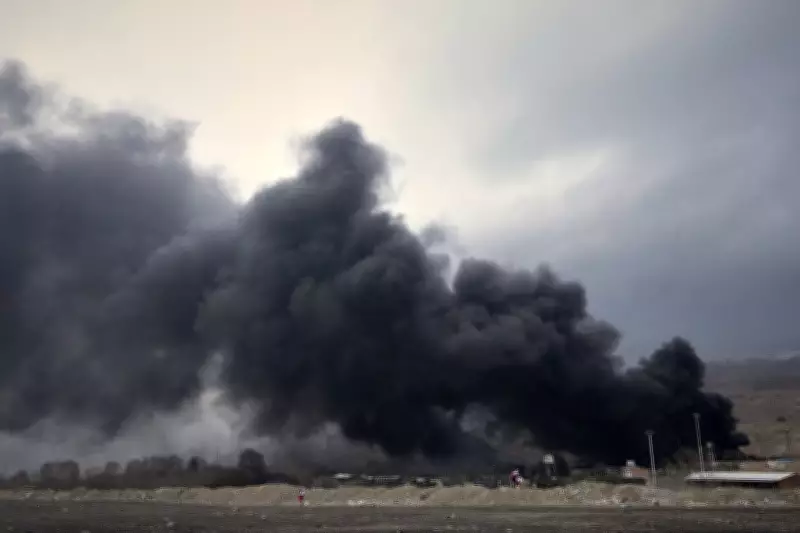
According to the IEA, the ongoing war in the Middle East has severely hampered oil production and distribution, leading to a significant shortfall in global supply. Key factors include attacks on critical infrastructure, such as oil storage facilities, and regional instability that disrupts trade routes. The agency emphasizes that this disruption surpasses previous crises, including those during major historical conflicts, due to the scale and intensity of current hostilities.
Economic repercussions are already being felt worldwide, with oil prices experiencing volatile spikes. Industries reliant on petroleum products, from transportation to manufacturing, face increased operational costs, potentially triggering inflationary pressures. The IEA warns that prolonged supply issues could exacerbate economic slowdowns, particularly in energy-dependent nations.

Global Response and Future Projections
In response to the crisis, the IEA is coordinating with member countries to implement emergency measures, including the release of strategic oil reserves and efforts to diversify energy sources. However, the agency cautions that these actions may only provide temporary relief if conflicts persist. Long-term solutions hinge on diplomatic resolutions and investments in renewable energy to reduce dependency on volatile regions.
Experts predict that the oil supply disruption could lead to:
- Higher fuel prices for consumers globally
- Increased geopolitical risks affecting trade agreements
- Accelerated shifts toward alternative energy technologies
The IEA urges international cooperation to mitigate the crisis, highlighting the interconnected nature of global energy security. As tensions remain high, the world watches closely, with the potential for broader economic and environmental consequences if swift action is not taken.