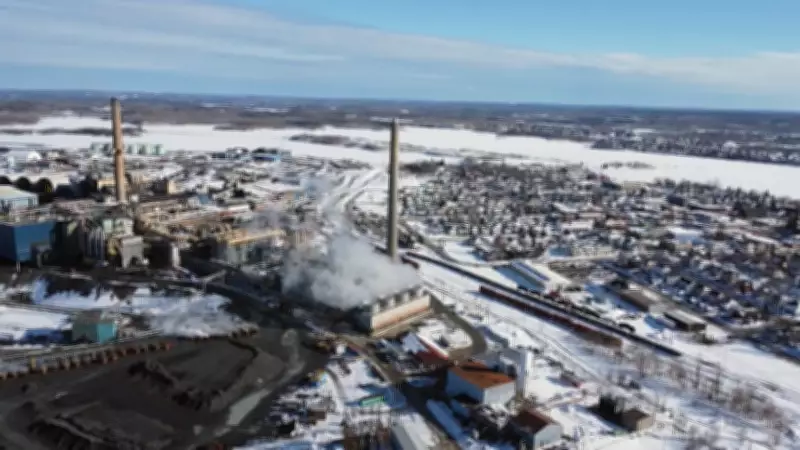
Horne Smelter in Rouyn-Noranda: A Major Economic Driver for Quebec
The Horne Smelter, situated in Rouyn-Noranda approximately 600 kilometres northwest of Montreal, has emerged as a pivotal economic force in Quebec, contributing a staggering $500 million annually to the province's financial resources. This substantial investment underscores the facility's critical role in supporting local and regional economies, while also sparking ongoing debates about environmental stewardship and social acceptability.
Economic Impact and Regional Significance
With its annual $500 million infusion into Quebec's coffers, the Horne Smelter stands as a cornerstone of industrial activity in the Abitibi-Témiscamingue region. This financial contribution aids in funding public services, infrastructure projects, and community initiatives, demonstrating how large-scale industrial operations can drive economic growth in remote areas. The smelter's operations provide numerous jobs and stimulate related industries, from mining to transportation, creating a ripple effect that benefits the broader provincial economy.
Balancing Act: Industry, Environment, and Community
Despite its economic benefits, the Horne Smelter operates within a complex framework that requires careful balancing of industrial output with environmental concerns and social acceptability. Residents and environmental groups have raised issues regarding emissions and sustainability, prompting discussions on how to mitigate impacts while maintaining productivity. The phrase 'a balance that respects social acceptability' reflects the ongoing efforts to align industrial practices with community values and regulatory standards, ensuring that economic gains do not come at the expense of public health or ecological integrity.

Future Prospects and Challenges
Looking ahead, the Horne Smelter faces challenges related to evolving environmental regulations and shifting public expectations. Innovations in green technology and stricter compliance measures may influence its operations, potentially requiring further investments to reduce its carbon footprint and enhance safety protocols. As Quebec continues to prioritize sustainable development, the smelter's ability to adapt will be crucial in maintaining its economic contributions while fostering a harmonious relationship with the surrounding community and environment.
In summary, the Horne Smelter's annual $500 million contribution to Quebec highlights its vital economic role, but it also underscores the need for a nuanced approach that integrates industrial success with environmental responsibility and social consensus.