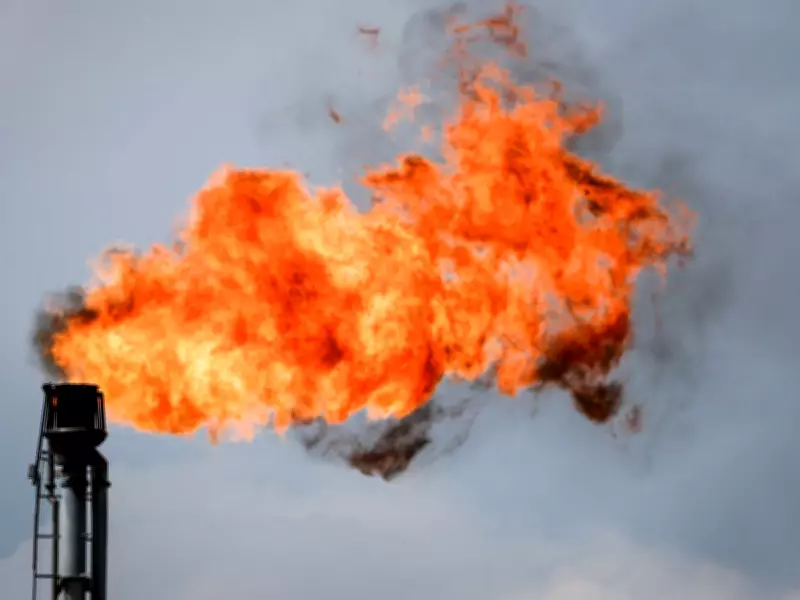
The escalating conflict in Iran has triggered a significant global oil shock, sending ripples through Canada's economy with far-reaching consequences. This analysis delves into how the turmoil in the Middle East is not only influencing the Bank of Canada's interest rate decisions but also driving up mortgage rates, airfares, and gas prices, while reshaping the housing market landscape.
Impact on Transportation and Travel
John Gradek, an expert on supply networks at McGill University, highlights the direct effects of the Middle East conflict on fuel prices and airline travel. As oil prices surge, airlines are capitalizing on the situation, leading to soaring airfares that burden consumers. This trend underscores how geopolitical instability can quickly translate into higher costs for everyday travel, affecting both business and leisure sectors across Canada.
Bank of Canada's Monetary Policy Dilemma
Benjamin Tal, deputy chief economist of CIBC World Markets, discusses the Bank of Canada's latest interest rate decision in light of the war. Without the conflict, the central bank might have leaned towards rate cuts to stimulate the economy. However, the oil shock has complicated inflation dynamics and trade talks, forcing a more cautious approach that prioritizes stability over aggressive monetary easing.

Housing Market and Mortgage Rates
Shaun Cathcart, senior economist at the Canadian Real Estate Association, explains how the Iran conflict is already causing mortgage rates to rise. Inflationary pressures from higher oil prices are trickling down into the housing market, making homeownership more expensive for Canadians. This shift could dampen demand and alter market trends, particularly in urban centers where affordability is already a concern.
Gas Price Disparities and Consumer Costs
The article also explores why gas stations can have varying prices, even within close proximity. Factors such as timing, local competition, and profit margins contribute to these gaps, exacerbated by the current oil shock. Understanding these dynamics helps consumers navigate the fluctuating costs at the pump, which have become more volatile due to global supply disruptions.
In summary, the war in Iran is not just a distant geopolitical event but a catalyst for economic turbulence in Canada. From increased airfares and mortgage rates to unpredictable gas prices, the ripple effects are pervasive, challenging policymakers and consumers alike to adapt to a rapidly changing financial environment.