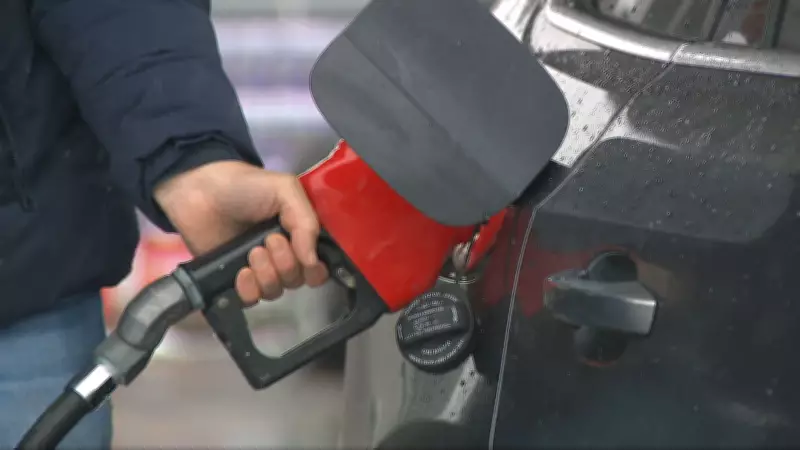
Gas Prices Spike Overnight in New Brunswick, Straining Household Budgets
Motorists across New Brunswick woke up to a significant and unexpected increase in gas prices overnight, adding to the financial burdens faced by many residents. This sudden surge has sparked concerns among drivers, who are already grappling with high living costs and inflationary pressures in the region.
Details of the Overnight Price Hike
The exact magnitude of the price increase varied by location, but reports indicate that many gas stations raised their rates by several cents per liter. This abrupt change caught many consumers off guard, as fuel prices had shown relative stability in recent weeks. The timing of the hike is particularly challenging, coming amid ongoing debates about energy affordability and taxation policies at both provincial and federal levels.
Industry analysts suggest that multiple factors may have contributed to this overnight adjustment, including fluctuations in global oil markets, regional supply chain dynamics, and seasonal demand patterns. However, the rapid implementation left little warning for drivers planning their daily commutes or longer trips.

Broader Context and Economic Implications
This price increase occurs against a backdrop of heightened attention on energy costs in Canada. Notably, federal Conservative leader Pierre Poilievre has recently called for gas taxes to be suspended for the remainder of the year to provide relief to consumers. Such proposals highlight the political sensitivity of fuel pricing, especially as households continue to navigate economic uncertainty.
The impact extends beyond individual drivers, affecting businesses that rely on transportation, from delivery services to agricultural operations. Higher fuel costs can lead to increased prices for goods and services, potentially exacerbating inflationary trends that have been a persistent concern in recent years.
Consumer Reactions and Practical Advice
Many New Brunswick residents expressed frustration on social media and in community forums, noting that the price hike adds to existing pressures from rising grocery bills and housing expenses. Some drivers reported adjusting their travel plans or seeking out stations with slightly lower prices, though options are often limited in rural areas.
To mitigate the impact, experts recommend:
- Monitoring price trends using mobile apps or websites that track real-time fuel costs
- Combining errands to reduce unnecessary driving
- Considering carpooling or public transportation where available
- Maintaining vehicles properly to ensure optimal fuel efficiency
While overnight price fluctuations are not uncommon in the fuel market, the scale and timing of this increase have drawn particular attention. As New Brunswickers adapt to these higher costs, the situation underscores the ongoing challenges of energy affordability in an era of economic volatility and environmental transition.