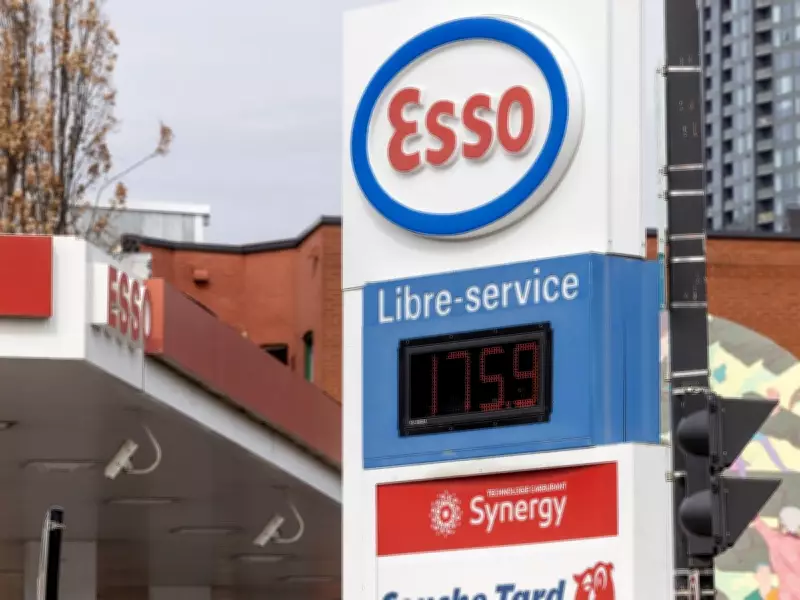
As the conflict in Iran continues to escalate, drivers across Quebec and Canada are feeling the pinch at the pump, with gasoline prices surging past $1.76 per litre and showing no signs of slowing down. This dramatic increase has sparked widespread public concern and raised serious questions about the motivations behind the price hikes.
Unjustified Price Increases During Wartime
The price of gasoline has climbed more than 20 cents per litre in Quebec over the past week alone, a spike that many consumers find difficult to justify given Canada's non-involvement in the Middle Eastern conflict. While global oil markets typically react to geopolitical instability, the magnitude and timing of these increases have left many wondering if other factors are at play.
"Are oil companies exploiting the war to raise prices, and are the governments playing along?" This question, posed by concerned citizens, reflects growing suspicion about corporate and governmental roles in the current energy crisis.

Corporate Profiteering Concerns
Harry Wise of Dollard-des-Ormeaux expressed a sentiment shared by many Canadians: "Canada is not directly involved in the conflict, but it seems that some entities might be profiting from it." This suspicion of wartime profiteering has become increasingly common as consumers watch their transportation costs skyrocket while oil companies report record profits.
The timing of these price increases coincides precisely with the escalation of hostilities in Iran, creating what many perceive as a convenient excuse for corporations to implement substantial markups that disproportionately affect everyday consumers.
Broader Implications for Canadian Consumers
The gasoline price surge represents more than just an inconvenience for drivers—it signals potential ripple effects throughout the entire economy. As transportation costs increase, so too do prices for goods and services that rely on fuel for distribution and production.
This situation has prompted some consumers to reconsider their transportation choices, with one Gazette reader noting: "Never have I been happier to be driving an electric vehicle and not having to rely on fossil fuel." The current crisis may accelerate the transition to alternative energy sources as consumers seek relief from volatile petroleum markets.
Government Response and Public Trust
The public's questioning of governmental complicity reflects deeper concerns about regulatory oversight and consumer protection. Many citizens are calling for greater transparency in how gasoline prices are determined and more aggressive government intervention to prevent what they perceive as price gouging during international crises.
This skepticism extends beyond energy policy, as evidenced by other letters published alongside the gasoline price concerns. Issues ranging from language rights in healthcare to government spending priorities reveal a broader pattern of public dissatisfaction with current policies and their implementation.
Looking Ahead: Solutions and Alternatives
As gasoline prices continue their upward trajectory, several potential solutions and alternatives are emerging:
- Increased regulatory oversight of petroleum pricing mechanisms
- Accelerated adoption of electric vehicles and public transportation
- Greater investment in renewable energy sources to reduce dependence on volatile oil markets
- Enhanced transparency in how geopolitical events affect domestic fuel pricing
The current situation serves as a stark reminder of how international conflicts can have immediate and substantial impacts on domestic economies and individual households. As the Iran war continues to unfold, Canadian consumers will be watching closely to see whether government and industry responses adequately address their concerns about fairness and affordability in the energy sector.