European Ministers Demand Energy Profit Caps Amid Iran War Price Surge
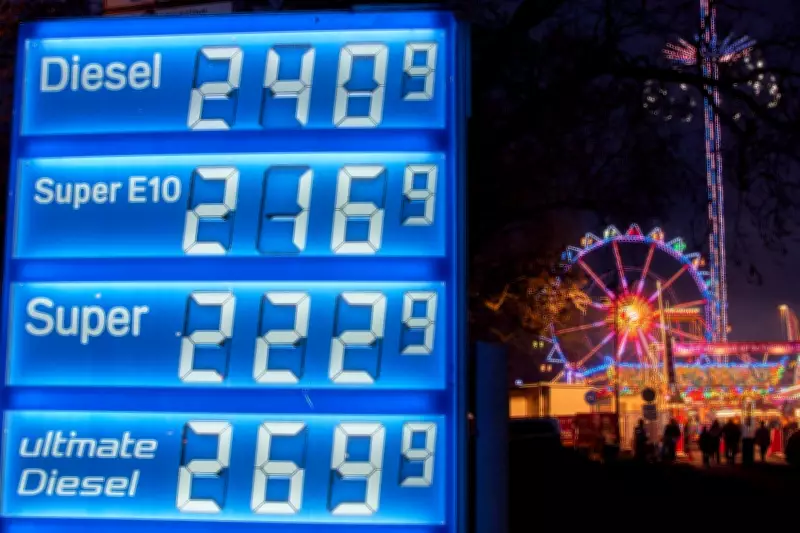
In response to a sharp increase in energy prices driven by the ongoing conflict in Iran, European ministers are calling for the implementation of profit caps on energy companies. This move aims to address market volatility and protect consumers from escalating costs.
Market Turmoil and Political Response
The war in Iran has disrupted global energy supplies, leading to a significant surge in prices that has alarmed policymakers across Europe. Ministers argue that energy companies are profiting excessively from the crisis, prompting demands for regulatory intervention to stabilize the market.
Key concerns include the impact on household budgets and economic stability, with fears that unchecked price hikes could exacerbate inflation and strain public finances. The proposed caps are seen as a temporary measure to mitigate these effects while long-term solutions are explored.

Broader Implications for Energy Policy
This development highlights the intersection of geopolitical conflicts and economic policy, as European nations grapple with balancing market forces and social welfare. The call for profit caps reflects a growing trend toward increased government oversight in critical sectors during times of crisis.
Analysts note that such measures could influence future energy strategies, including investments in renewable sources and diversification of supply chains to reduce dependency on volatile regions.
Global Context and Reactions
The situation in Iran has drawn international attention, with other regions monitoring Europe's response for potential lessons. While some stakeholders support the caps as necessary for fairness, others warn of possible unintended consequences, such as reduced investment in energy infrastructure.
As debates continue, the outcome of this proposal could set a precedent for how governments address similar challenges in an increasingly interconnected global economy.