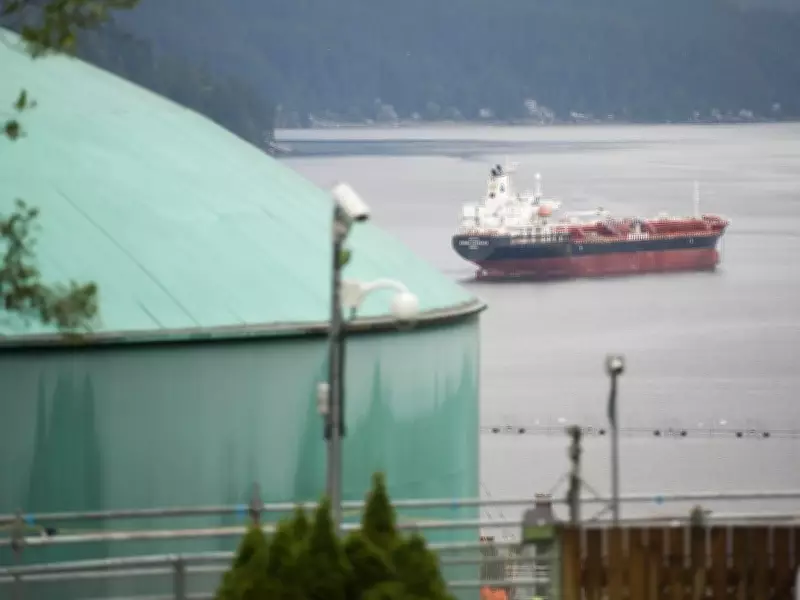
Canada's Oil Conundrum: Vast Reserves, Limited Immediate Impact on Global Markets
As global oil markets face severe strain amid escalating Middle East conflicts, Canada finds itself in a paradoxical position. The nation possesses enormous petroleum reserves yet cannot significantly increase exports to help stabilize international energy supplies in the short term.
The Infrastructure Bottleneck
Federal Natural Resources Minister Tim Hodgson has advocated for boosting Canadian oil production to assist strained global markets. However, industry experts remain skeptical about immediate possibilities. "Our ability to respond is exactly zero," stated Eric Nuttall, senior portfolio manager with Ninepoint Partners, which invests in Canadian energy producers. "All hat and no cattle."
Former Alberta premier Jason Kenney emphasized that Canada lacks a strategic petroleum reserve like the United States and continues importing foreign crude into Eastern Canada. "We can't contribute to the immediate price crisis, but we can help to stabilize global energy markets for the long term, if we finally get cracking on needed policy changes," Kenney noted in a recent interview.

Global Market Pressures
Global oil prices have surged dramatically as Middle East conflicts intensify and Iran escalates attacks on oil tankers in the Persian Gulf. The price of West Texas Intermediate crude climbed nearly $3 to reach US$98.71 per barrel recently, following an even more substantial $8 per barrel increase the previous day.
This price spike occurred despite the International Energy Agency announcing that its 32 member countries agreed to release 400 million barrels of crude to stabilize energy markets. The federal government confirmed Canada would support this initiative by exporting 23.6 million barrels of oil over the next three to six months, though officials acknowledged this represents largely planned industry output rather than additional production.
Export Limitations and Future Prospects
Canada's constrained export capabilities remain a significant challenge. Exports through the critical Strait of Hormuz have plummeted sharply, with the waterway previously handling more than 20 million barrels per day before the current conflict. "As one of the energy richest countries on Earth, policy has not aligned with that fact," Kenney observed. "Realistically, there is nothing Canada can do to move the dial on increased shipments."
The Trans Mountain pipeline expansion project represents potential future capacity, but current infrastructure limitations prevent immediate market impact. Until Canada enhances its export capabilities and addresses policy gaps, the nation's vast oil reserves will remain largely inaccessible to global markets during times of crisis.