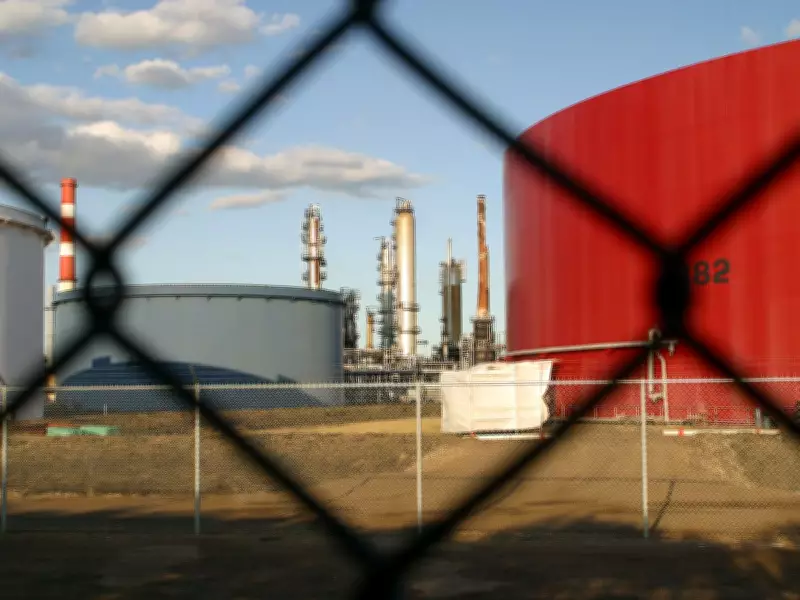
Canada's Missing Strategic Oil Reserve in Global Energy Crisis
With oil prices skyrocketing by a third in just two weeks, fears of a worldwide energy crisis have triggered an unprecedented international response. The International Energy Agency's 32 member nations are coordinating the largest emergency release ever—400 million barrels from strategic reserves—aiming to alleviate supply shortages and soaring prices resulting from conflict in Iran. This massive intervention raises critical questions about Canada's role as the world's fourth-largest oil producer. Why does this energy giant lack its own strategic reserve during such crises? Would establishing one now be prudent? And how might this global action benefit Canadians and others worldwide?
The Origins of Strategic Energy Stockpiles
The concept of maintaining emergency energy stockpiles emerged in the 1970s following another Middle Eastern war. A devastating embargo, exacerbated by U.S. involvement, caused oil prices to nearly quadruple, prompting the creation of the International Energy Agency to address future major supply disruptions.
"The members of the IEA learned in the mid '70s that rather than everybody having their own stocks, that the market is impacted most effectively under a collective system," explained David Goldwyn, an energy security adviser and president of Goldwyn Global Strategies. "If everyone agrees to release their stocks at the same time, it's a powerful market signal."

Today, IEA members collectively hold emergency stockpiles exceeding 1.2 billion barrels of oil, supplemented by another 600 million barrels that industries are mandated to maintain on behalf of governments. This substantial reserve could sustain global operations for approximately two and a half weeks. The U.S. Department of Energy manages the world's largest emergency stockpile, known as the Strategic Petroleum Reserve, stored in deep underground caverns along the Texas and Louisiana Gulf Coasts.
Canada's Unique Position and Historical Considerations
Although Canada is a member of the International Energy Agency, it is exempt from mandatory reserve requirements because it is a net exporter. Despite being one of the planet's biggest oil suppliers, there are growing calls for enhanced contributions to global energy security.
In the early 1980s, while the United States was expanding its strategic reserves, the Canadian government under Prime Minister Pierre Trudeau explored creating shared storage facilities with American partners. Potential sites included Bell Island in Newfoundland and Labrador, as well as locations along the Strait of Canso in Nova Scotia.
However, U.S. officials ultimately withdrew from the proposal, deciding against involvement in a critical energy reserve located in another nation. Since that time, the United States has utilized its reserves to address both international shortages and domestic challenges, such as import disruptions and hurricane-related supply outages.
"Canada doesn't really have that problem," noted Goldwyn, who served as the U.S. State Department's special envoy and coordinator for international energy affairs from 2009 to 2011. This distinction underscores Canada's different energy security landscape compared to import-dependent nations.
Current Implications and Future Considerations
The absence of a Canadian strategic oil reserve becomes particularly salient during global crises like the current one. While the collective IEA release aims to stabilize markets, Canada's reliance on its status as a net exporter means it lacks a dedicated buffer for potential domestic or international emergencies.
Key questions persist:
- Should Canada reconsider establishing a strategic reserve to enhance its energy security and global leadership?
- How might such a reserve impact both domestic stability and international energy markets?
- What lessons can be drawn from the abandoned U.S.-Canada collaboration in the 1980s?
As the world navigates volatile energy markets, Canada's historical decision and current position offer important insights into the complexities of global energy policy and preparedness.