Canada Joins International Effort to Stabilize Oil Markets Amid Mideast Tensions
In a significant move to address global energy concerns, Canada has announced it will supply 23.6 million barrels of oil as part of a coordinated release plan by the International Energy Agency (IEA). This decision comes amid ongoing conflict in the Middle East, which has heightened volatility in international oil markets and raised fears of supply disruptions.
Government Announcement and Strategic Context
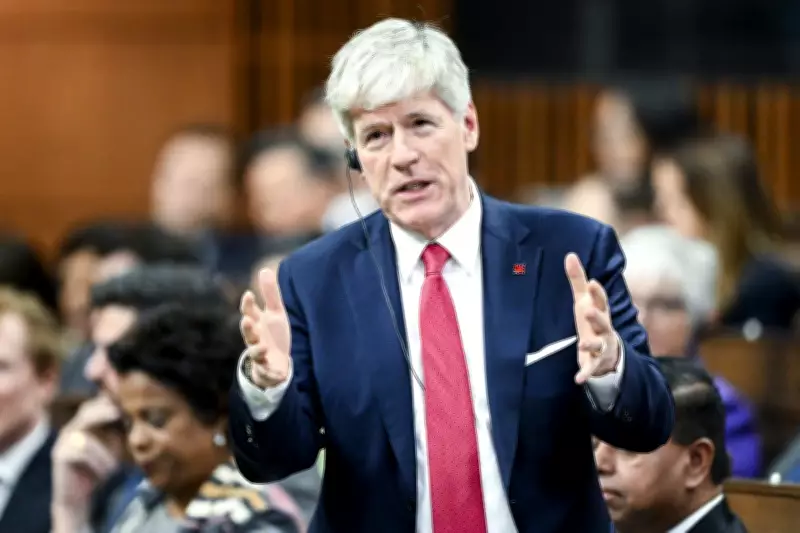
Minister of Energy and Natural Resources Tim Hodgson confirmed the commitment during a recent session in the House of Commons on Parliament Hill in Ottawa. The release is designed to bolster global oil reserves and mitigate potential price spikes that could impact economies worldwide. This action underscores Canada's role as a reliable energy partner on the international stage, particularly during times of geopolitical instability.
The IEA, which includes major oil-consuming nations, initiated this release to prevent shortages and ensure market stability. Canada's contribution of 23.6 million barrels represents a substantial portion of the total release, reflecting the country's capacity as one of the world's top oil producers. Analysts suggest that such coordinated efforts are crucial for dampening the economic ripple effects of conflicts in key oil-producing regions.

Implications for Global and Domestic Markets
This release is expected to have several immediate effects:
- Stabilizing Prices: By increasing supply, the IEA aims to counteract upward pressure on oil prices caused by the Mideast conflict.
- Enhancing Security: The move helps ensure that member countries have adequate reserves to meet demand during potential disruptions.
- Supporting Economies: Lower and more predictable oil prices can benefit consumers and industries reliant on energy inputs.
Domestically, Canada's participation aligns with its energy policies focused on both security and sustainability. While the release addresses short-term market needs, it also highlights the ongoing importance of diversifying energy sources and investing in renewable alternatives to reduce long-term dependency on volatile regions.
Broader Geopolitical Considerations
The Mideast conflict has underscored the interconnectedness of global energy markets and the need for collaborative responses. Canada's decision to contribute to the IEA release not only supports international stability but also reinforces diplomatic ties with allied nations. This proactive approach may help cushion the global economy from sharper shocks, as seen in past crises where oil supply disruptions led to widespread economic strain.
Looking ahead, experts emphasize that while such releases provide temporary relief, long-term solutions require addressing the root causes of conflict and accelerating the transition to more sustainable energy systems. Canada's role in this initiative demonstrates a commitment to both immediate crisis management and broader strategic energy goals.