Canada and Japan Lead IEA Emergency Oil Release Amid Iran War Disruptions
The International Energy Agency (IEA) announced on Thursday that Canada, Japan, and South Korea will be among the largest contributors to a coordinated release of emergency oil stockpiles. This action is a direct response to significant supply disruptions caused by the ongoing war on Iran, which has severely impacted global oil markets.
Major Contributions and Global Impact
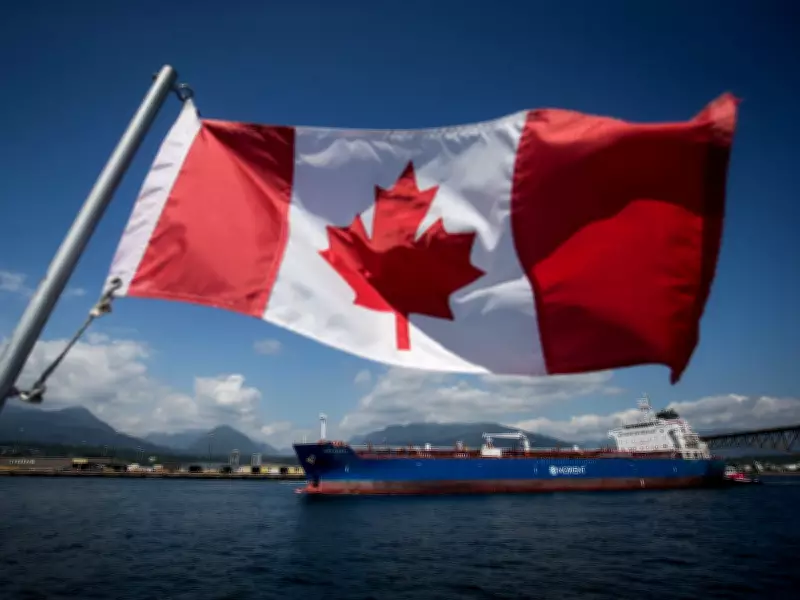
Canada, despite being a major oil producer and exporter without a formal emergency stockpile, has committed to releasing 23.6 million barrels. Japan, which imports over 90% of its crude oil from the Middle East and is highly vulnerable to energy price spikes, will contribute a substantial 79.8 million barrels. Other notable contributors include the United Kingdom, Turkey, and Italy, each providing more than 10 million barrels.
The IEA's pledge involves releasing up to 400 million barrels, addressing what the agency describes as the largest supply disruption on record. The war has effectively halted shipping through the Strait of Hormuz, a critical chokepoint for global oil transit, forcing key producers in the Persian Gulf to curb output. This has led to worldwide spikes in energy prices and raised expectations for long-term supply issues.

Supply Distribution and Market Response
The releases will primarily consist of crude oil supplies, with refined oil products being the focus in Europe. Initial volumes have already started to become available to the market. Supplies for Asia are flowing immediately, while barrels for Europe and the Americas are scheduled to reach the market by the end of March.
In a statement, the IEA emphasized that this effort "provides a significant and welcome buffer" but noted that the resumption of regular shipping through the Strait of Hormuz is crucial for stabilizing flows. The agency also highlighted that the release will be complemented by increased production from countries in the Americas, helping to alleviate some of the pressure on global supplies.
Additional International Actions
Concurrently, the United States has initiated a 172-million barrel release from its Strategic Petroleum Reserve, marking the second-largest such action in the reserve's history. As energy costs surge, the U.S. Treasury Secretary, Scott Bessent, indicated that the administration is considering removing long-standing sanctions on Iranian oil, a major policy shift. Additionally, the Trump Administration has temporarily loosened sanctions on Russian oil, reflecting further adjustments in response to the crisis.
This coordinated international response underscores the severity of the supply disruptions and the global effort to mitigate economic impacts. The IEA's move aims to stabilize markets and ensure continued energy security amid escalating tensions in the Persian Gulf region.