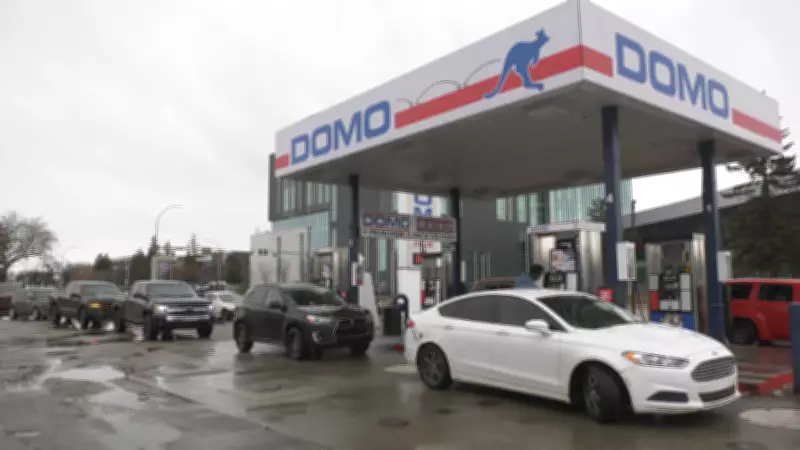
Alberta Drivers Resist Change as Gas Prices Soar Above $1.60 per Litre
Despite a steady increase in gas prices across Alberta, with many pumps now charging over $1.60 per litre, residents are expected to cling to their established driving habits, according to a local economist. This persistence highlights the complex interplay of economic conditions and cultural norms in the province.
Economic and Cultural Factors at Play
The economist points out that Alberta's economy, historically tied to the energy sector, fosters a car-dependent lifestyle. Many residents rely on vehicles for daily commutes, especially in urban areas like Edmonton, where public transportation options may be limited or less convenient. This dependency is reinforced by a cultural emphasis on personal mobility and independence.
High gas prices, while a financial burden, have not yet reached a tipping point that would compel widespread behavioral shifts. The economist suggests that unless prices spike dramatically—potentially to $2 per litre or higher—most Albertans will absorb the extra costs through budget adjustments rather than reducing their driving.

Comparisons and Broader Implications
This trend mirrors patterns observed in other regions, such as Ontario, where gas prices have also risen, yet vehicle usage remains robust. The situation underscores a broader national challenge: balancing environmental goals with practical transportation needs. As fuel costs escalate, there is growing pressure on policymakers to invest in alternative infrastructure, like electric vehicle charging stations and enhanced public transit, to offer viable options for consumers.
In the short term, however, the economist predicts that Albertans will continue to prioritize convenience and habit over change, even as they feel the pinch at the pump. This resilience may slow progress toward reduced carbon emissions and sustainable transportation solutions in the province.