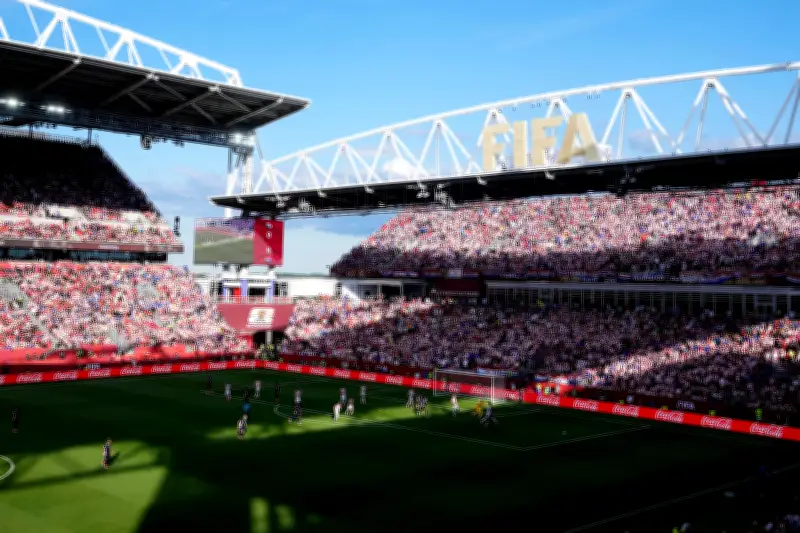
The final World Cup match in Toronto took place tonight, leaving many to question whether the event truly delivered the economic benefits that were promised or if it was simply an exercise in hype. The tournament, which brought thousands of fans to the city, was expected to generate significant revenue for local businesses and boost Toronto's international profile. However, experts are now casting doubt on the lasting economic legacy.
Mixed Economic Results
According to a report from the Canadian Centre for Policy Alternatives, the estimated economic impact of the World Cup in Toronto may have been overstated. The report suggests that while there was a short-term spike in spending at hotels, restaurants, and bars, the overall benefit to the local economy was modest. "The hype around mega-events often exceeds the reality," said Dr. Sarah Thompson, an economist at the University of Toronto. "Our analysis shows that the net gains for Toronto are likely to be marginal, especially when factoring in the costs of hosting."
Infrastructure and Public Investment
The tournament required significant public investment in infrastructure, including upgrades to stadiums and transportation systems. While some of these improvements will have lasting benefits, critics argue that the money could have been better spent on other priorities. "We invested hundreds of millions of dollars into facilities that may not see regular use after the event," noted city councillor Mike Layton. "We need to ensure that the legacy of the World Cup is not just a few new stadiums, but real economic opportunities for all residents."

Tourism and Global Exposure
Proponents of the World Cup point to the influx of international visitors and the global media coverage as intangible benefits. Toronto Tourism reported a 20% increase in visitor numbers during the tournament, with many fans coming from abroad. "The exposure for Toronto has been invaluable," said Johanne Bélanger, CEO of Tourism Toronto. "We've seen the city showcased on the world stage, which will likely attract future tourists and business investments." However, some experts caution that these effects are difficult to quantify and may not translate into long-term economic growth.
Uncertain Legacy
As the final match ends, the question remains whether the World Cup has left a positive legacy for Toronto. Small business owners in the downtown core reported mixed experiences. "We had some good days, but overall it was not the windfall we expected," said Maria Santos, owner of a café near the stadium. The long-term impact on employment and local commerce is still unclear, and many are calling for a thorough review of the event's economic outcomes.