

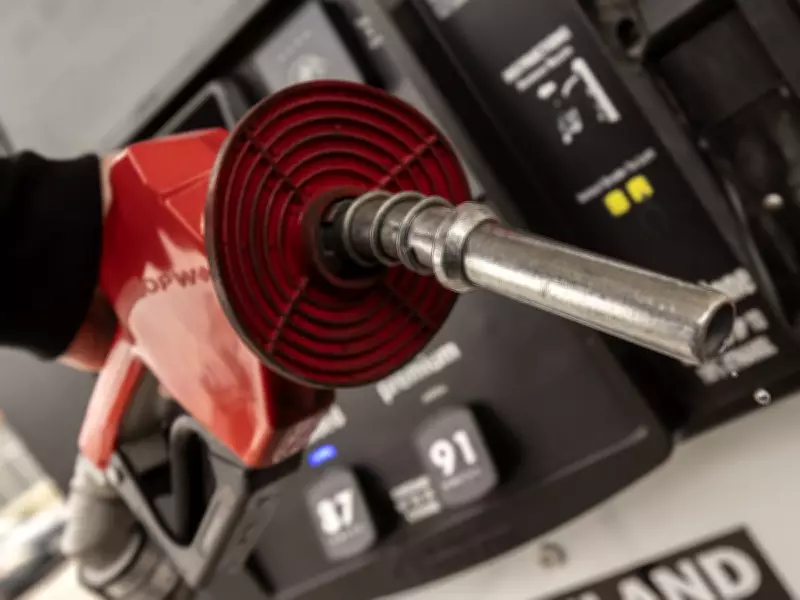
Why Gas Station Prices Differ: Unpacking the Factors Behind Pump Cost Variations
When drivers notice one gas station charging significantly more than another nearby, it's easy to assume the pricier retailer is simply gouging customers. However, the reality is far more complex, with a multitude of elements influencing what you pay at the pump.
The Global Impact on Local Prices
Recent geopolitical events, such as the conflict in Iran involving attacks by the United States and Israel in late February, have introduced extreme volatility into oil markets. This uncertainty directly affects the cost of crude oil, which in turn trickles down to retail gas prices across Canada. As global supplies face potential disruptions, retailers adjust their rates to reflect these shifting dynamics.
Local Competition and Market Dominance
Beyond international factors, local competition plays a crucial role in price disparities. In areas with numerous gas stations, fierce rivalry can drive prices down as retailers vie for customers. Conversely, neighborhoods dominated by major chains or with fewer options may see higher costs due to reduced competitive pressure. This explains why stations just blocks apart can have very different pricing strategies.

Timing and Profit Margins
The timing of fuel purchases and deliveries also impacts prices. Retailers often adjust rates based on when they buy their supply, aiming to maximize profit margins. While profits are a component of the equation, they don't tell the whole story; operational costs, taxes, and transportation fees further complicate the pricing structure.
A Complex Web of Influences
Ultimately, gas prices are shaped by a mix of global oil trends, local market conditions, and retailer strategies. Understanding these factors can help consumers make informed decisions and recognize that price gaps are not merely about profit-taking but reflect a broader economic landscape.






