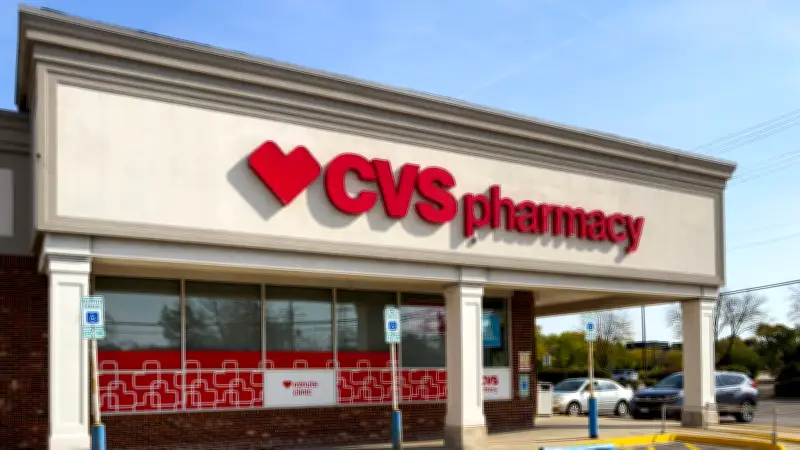
Many Americans see the CVS logo daily, but few know what the letters actually stand for. According to Roslyn Guarino, senior manager of corporate communications at CVS Health, the acronym originally meant 'Consumer Value Store,' reflecting the company's founding focus on accessible, affordable health and beauty products. The first store opened in 1963 in Lowell, Massachusetts, and the name was shortened to CVS just one year later, in 1964.
From a Single Store to a National Chain
The company was founded by brothers Stanley and Sidney Goldstein along with their partner Ralph Hoagland. Their first Consumer Value Store opened in 1963, and by the end of 1964, there were 17 locations, each displaying a logo with the letters CVS inside a shield. Initially, the stores sold only beauty and health products, but in 1967, CVS began adding pharmacies. By 1970, the number of locations had grown to 100.
Evolution into a Healthcare Company
Today, CVS operates more than 9,000 retail pharmacy locations and more than 1,000 walk-in and primary care clinics. 'As our company has grown, the meaning of CVS has evolved beyond its retail roots,' Guarino said. In 2014, the company officially changed its name to CVS Health to reflect a broader transformation from a traditional retail pharmacy chain into a comprehensive health care company. The brand logo also evolved, introducing a heart symbol to represent care and connection.

Creative Interpretations and Criticism
Over time, people have developed their own interpretations for what CVS stands for. Former CEO Thomas Ryan, who led the company from 1998 to 2011, saw CVS as an initialism for 'Customer, Value and Service.' On social media, humorous suggestions include 'Cashiers Vanish Suddenly,' 'Customer Vs. Staff,' 'Coupons, Vibes and Suffering,' and 'Candy, Viagra and Staples.' However, not all interpretations are lighthearted. 'Corporate Villain Shit' was another suggestion, reflecting criticism the company has faced. CVS has been criticized for understaffed pharmacies, long wait times, and its influence on prescription drug costs as a benefit manager. In 2022, the company agreed to pay approximately $5 billion to settle lawsuits alleging it contributed to the opioid epidemic by filling prescriptions without adequate oversight.