

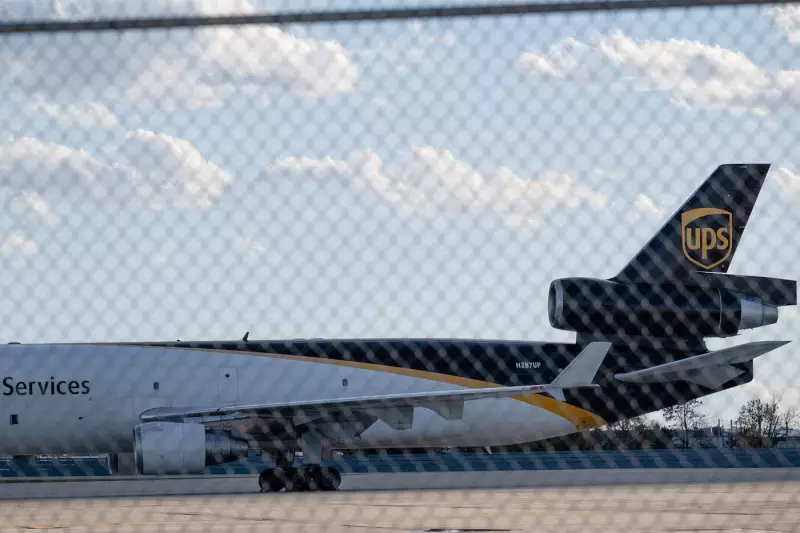
UPS Announces Major Workforce Reduction as Amazon Shipping Volume Declines
In a significant development for the logistics and corporate sectors, United Parcel Service (UPS) has confirmed plans to eliminate an additional 30,000 jobs. This decision comes as the company faces accelerating reductions in shipping volume from its major client, Amazon. The move represents a substantial workforce adjustment, reflecting broader challenges within the package delivery industry.
Accelerating Volume Cuts from Amazon Drive Restructuring
The job cuts are directly linked to a notable decline in shipping volume from Amazon, which has been a key partner for UPS. As Amazon continues to optimize its own logistics network and reduce reliance on external carriers, UPS is experiencing a rapid decrease in package volumes. This trend has forced the company to implement aggressive cost-cutting measures, including significant layoffs, to align its operational capacity with reduced demand.
The scale of these layoffs underscores the profound impact that shifts in Amazon's shipping strategy are having on traditional delivery providers. UPS, which has long benefited from the e-commerce giant's growth, now faces the challenge of adapting to a changing landscape where Amazon is increasingly handling its own deliveries.

Broader Implications for the Logistics Industry
This announcement follows previous workforce reductions by UPS, indicating a sustained period of restructuring within the company. The logistics sector as a whole is grappling with similar pressures, including fluctuating demand, rising operational costs, and the evolving strategies of major retailers. For UPS, the loss of Amazon volume is a critical blow, necessitating a reevaluation of its business model and workforce requirements.
The job cuts are expected to affect various roles across the organization, though specific details on positions and locations have not been fully disclosed. Employees and stakeholders are awaiting further information on the implementation timeline and potential support measures for those impacted.
Future Outlook and Strategic Adjustments
As UPS navigates this challenging period, the company may explore alternative growth avenues to compensate for the reduced Amazon business. This could include strengthening partnerships with other e-commerce platforms, expanding services in niche markets, or investing in technological innovations to improve efficiency. However, the immediate focus remains on managing costs and stabilizing operations amid declining volumes.
The situation highlights the dynamic nature of the logistics industry, where relationships with major clients like Amazon can significantly influence corporate stability and employment levels. For now, UPS's announcement marks a pivotal moment in its efforts to adapt to a rapidly changing delivery ecosystem.






