

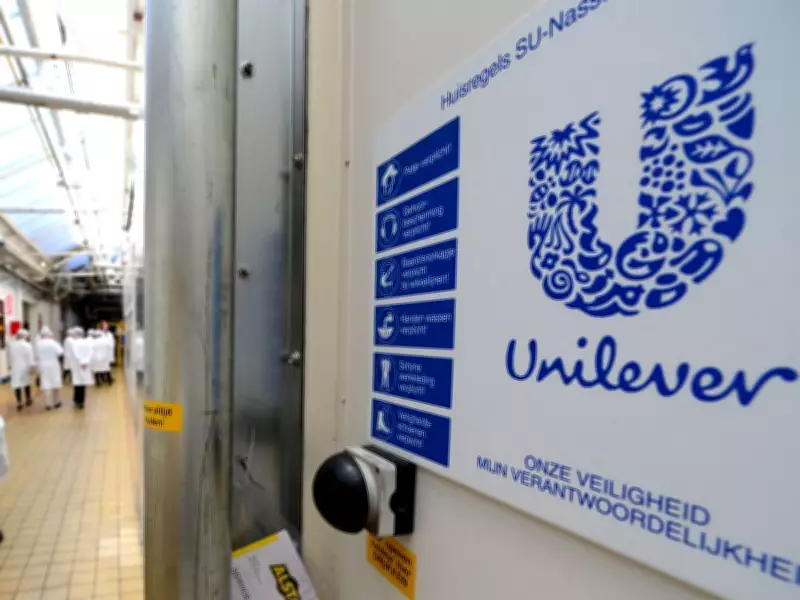
Unilever in Advanced Talks to Divest $33 Billion Food Division
Unilever Plc, the Anglo-Dutch consumer goods giant, is currently engaged in negotiations to sell its substantial food business to McCormick & Co., the Maryland-based spices and seasonings manufacturer. This potential transaction, which could reach an equity value of approximately €29 billion (US$33 billion), represents what would be the most significant corporate overhaul for Unilever since its establishment nearly a century ago.
Historic Shift for Consumer Goods Titan
The company confirmed on Friday that it had received a formal offer from McCormick, though it emphasized that there remains no certainty that a final agreement will be reached. Should the sale proceed, it would constitute the largest acquisition in McCormick's history, despite the seasoning company being substantially smaller than Unilever in overall scale. Specific details regarding financing arrangements for such a monumental deal have not yet been disclosed to the public.
This divestiture would effectively mark Unilever's exit from direct competition with major food industry rivals including Kraft Heinz Co., Nestlé SA, and PepsiCo Inc. Instead, the multinational corporation would transform into a dominant force in household and personal care products, positioning itself alongside industry leaders such as L'Oréal SA, Beiersdorf AG, and Estée Lauder Cos.

Strategic Reorientation Under New Leadership
Chief Executive Fernando Fernandez, now completing his first year in the role, has made it abundantly clear that food operations are no longer central to Unilever's strategic vision. He has identified beauty, personal care, and wellbeing sectors as the primary drivers for future growth and profitability. Fernandez has articulated an ambitious goal to generate approximately two-thirds of Unilever's turnover from powerhouse brands like Dove soap, Liquid IV hydration products, and Dermalogica skin care within the medium term, a substantial increase from the current level of about half of total revenue.
Broader Industry Transformation
The potential sale occurs against a backdrop of significant transformation within the global food industry, often referred to as "Big Food." Consumers, particularly in the United States, are reducing expenditures amid persistent high inflation and geopolitical uncertainties. Simultaneously, supermarkets in markets like the United Kingdom are gaining market share through high-quality private label alternatives.
Furthermore, shifting consumer preferences are reshaping the landscape. The growing popularity of weight-loss medications, combined with increased adherence to high-protein, high-fiber, and minimally processed dietary regimens, means consumers are purchasing less traditional packaged food and opting for healthier, fresher alternatives.
Moving Beyond Diversification
According to analysis from Bernstein, led by Callum Elliott, the diversification strategy that "largely made sense" during the 1990s and early 2000s—when larger scale typically meant better performance for consumer groups—has fundamentally changed. Elliott noted in a recent analysis that "the benefits of scale across categories no longer outweigh the drawbacks of complexity" in today's market environment.
Unilever has been gradually moving toward this more streamlined business model with reduced reliance on food operations for the past decade. The company has already divested several significant assets, including its global tea business, its spreads division (which included the iconic I Can't Believe It's Not Butter! brand), and more recently, snack brand Graze and plant-based meat manufacturer The Vegetarian Butcher.
Market reaction to the news has been cautiously optimistic, with Unilever shares rising as much as 1.9 percent in early trading following Bloomberg's initial report about the company weighing separation of its food operations. However, the stock remains down nearly six percent over the past twelve months through Thursday's market close, reflecting broader challenges in the consumer goods sector.






