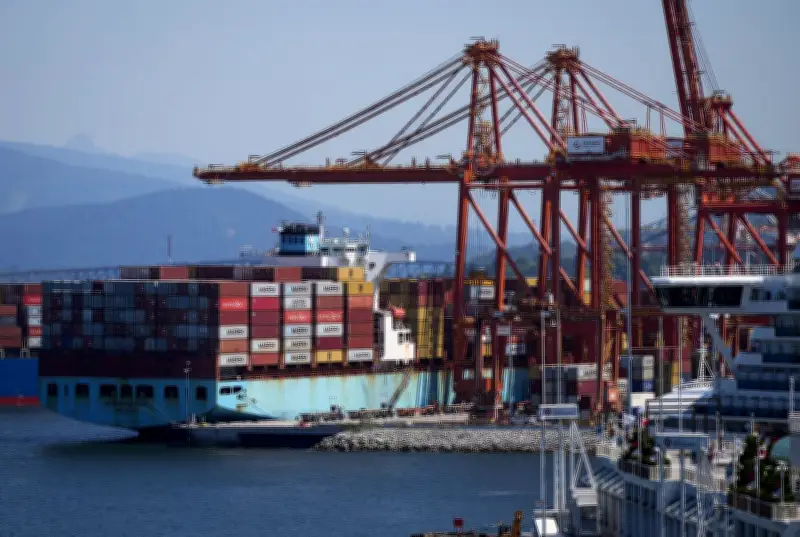
Shipping rates have soared as retailers race to import goods before looming Trump tariffs take effect, according to a new report. The surge in demand for container shipping has driven up costs, with spot rates for a 40-foot container from Asia to North America rising by over 20% in the past month. Industry experts warn that the rush to beat tariffs is straining supply chains and could lead to higher consumer prices.
Retailers Accelerate Imports
Retailers are front-loading inventory to avoid the impact of proposed tariffs on Chinese goods, which could increase by up to 25%. The Canadian Press reports that companies are booking shipments months in advance, paying premium rates to secure space on vessels. 'We're seeing a significant uptick in demand as businesses try to get ahead of potential trade barriers,' said a shipping industry analyst. Ports in Vancouver and other major hubs are experiencing congestion, with wait times for unloading extending to several days.
Impact on Supply Chains
The tariff-driven rush is exacerbating existing supply chain disruptions, including labor shortages and equipment delays. The surge in shipping costs is also affecting smaller businesses, which may struggle to absorb the higher expenses. According to a logistics expert, 'The current situation is creating a ripple effect across the entire supply chain, from manufacturers to consumers.'

Consumer Prices at Risk
If tariffs are implemented, the cost of imported goods could rise, potentially fueling inflation. The Bank of Canada has noted that trade uncertainties pose a risk to economic stability. Meanwhile, retailers are exploring alternative sourcing options, including shifting production to countries not subject to tariffs. However, such moves take time and may not fully offset the impact.
Industry Response
Shipping companies are adding capacity to meet demand, but analysts caution that the spike in rates may be temporary. 'Once the tariff deadline passes, we could see a sharp drop in demand,' said a market researcher. For now, retailers are focused on ensuring shelves remain stocked during the holiday season, even if it means paying higher shipping costs.