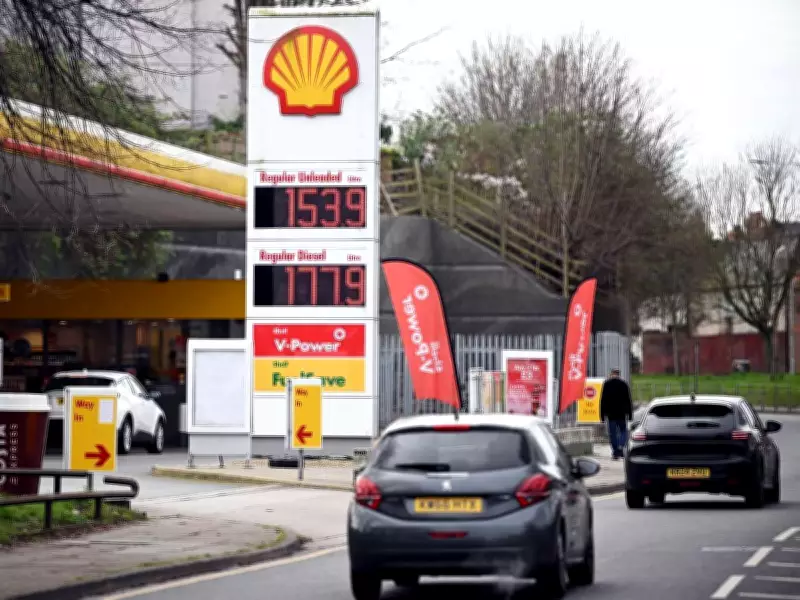
Shell Plc reported stronger-than-expected first-quarter earnings as the Iran war boosted trading profits and energy prices, outweighing declines in oil and gas production from the conflict. Adjusted net income rose to US$6.92 billion, the London-based oil major said in a statement. That beat the US$6.1 billion median estimate of analysts compiled by Bloomberg, as surging oil and gas prices lifted profits to their highest level in two years.
War-Driven Trading Gains
The war has damaged assets, roiled energy markets and choked off energy flows through the Strait of Hormuz, causing sharp price swings — conditions that normally favor larger commodity merchants. Vitol Group and Trafigura Group, the biggest independent oil traders, reaped a profit bonanza in the first three months of this year. Shell said its trading profits were boosted by the conflict, helping it to overcome a 10 per cent hit to oil and gas production caused by disruptions in Qatar.
Production and Financial Impact
Total production fell about four per cent from the prior period. The impact is set to linger, with second-quarter volumes expected to decline further amid continued constraints in the region and overall maintenance across Shell’s portfolio. Net debt rose to US$52.6 billion, which Shell said reflects a working capital build tied to higher prices. Gearing — the leverage ratio of net debt to equity — increased to 23.2 per cent.

Shareholder Returns and Acquisitions
Shell, which recently announced the acquisition of Canadian oil and gas producer ARC Resources Ltd. — its biggest transaction under the tenure of chief executive Wael Sawan — cut its quarterly share buyback and raised its dividend. The buyback was cut to US$3 billion from US$3.5 billion in an effort to reallocate capital to the balance sheet, Chief Financial Officer Sinead Gorman told journalists on a call Thursday. Shell increased its dividend five per cent, maintaining its policy of distributing 40 per cent to 50 per cent of cash flow from operations to shareholders. Morgan Stanley analysts said the “rebalancing” of investor payouts between the cash dividend and share repurchases is a “net positive for Shell shares.”
Refining and Market Outlook
Higher refining margins also supported quarterly results, even with a weaker chemicals margin environment. Brent oil prices have increased more than 50 per cent since the conflict began at the end of February. They retreated from war-time highs and hovered around US$99 a barrel Thursday on signs that the U.S. and Iran are nearing a diplomatic breakthrough. The ARC acquisition is contributing to an increase in capital spending plans this year and part of a broader effort to deepen its upstream reserves as geopolitical turmoil reshapes global energy flows.
Industry Context
Shell is the final oil supermajor to report quarterly earnings. Profits for BP Plc and TotalEnergies SE also rose on the back of strong trading performances during the war. U.S. peers Exxon Mobil Corp and Chevron Corp also benefited from elevated oil and gas prices, but experienced production outages — particularly Exxon — and negative impacts from derivatives positions.