The High Cost of a Toxic Workplace: Lessons from Noma's Downfall
The extraordinary success of Noma, once hailed as one of the world's most influential restaurants, was built on a foundation of innovation, creativity, and exacting standards. However, recent allegations have cast a dark shadow over this legacy, revealing a culture that allegedly crossed the line from demanding to abusive. This controversy centers on René Redzepi, the celebrated chef behind Noma, and serves as a stark reminder for employers everywhere.
When Excellence Becomes Excuse for Abuse
Employers are entitled to demand excellence from their staff, but they are not entitled to ignore the law. A recent investigation by The New York Times cited interviews with dozens of former Noma employees who described a kitchen environment that, in their words, "felt like going to war." Allegations include routine incidents of punching, jabbing employees with kitchen tools, slamming them into walls, and public shaming.
In one particularly egregious case, Redzepi allegedly forced a sous-chef to make humiliating admissions before hundreds of colleagues after a workplace altercation. Such behavior underscores that high performance expectations, while often necessary in competitive industries, never justify mistreatment.

Swift Consequences and Legal Realities
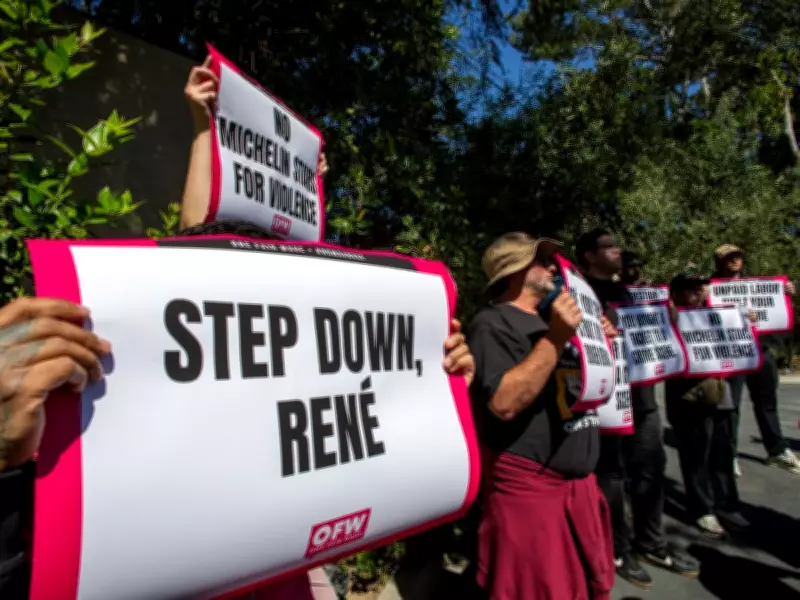
The reputational and commercial fallout was immediate. When Noma launched a pop-up restaurant in Los Angeles, where dinners sold for $1,500 each, protests were organized, and sponsors withdrew. Redzepi issued a public apology and ultimately stepped down. For Canadian employers, this story extends beyond restaurant gossip—it is a critical lesson in employment-law obligations.
Many industries operate under intense pressure. In hospitality, a single service failure can damage a brand; in law, a mistake can cost millions; in finance, poor decisions erode investor confidence overnight. Yet, pressure is never a licence for abuse. Canadian employers owe legal duties to their employees, including providing a safe workplace, acting in good faith, and maintaining an environment free from harassment, discrimination, and abuse.
Legal Precedents and Employer Accountability
Courts have repeatedly clarified that workplace culture is not a defence when legal lines are crossed. Consider the case of Render v. ThyssenKrupp Elevator (Canada) Ltd., where an employee argued that slapping a colleague should be excused due to a workplace that tolerated crude humor and rough behavior. The court rejected this argument outright, upholding the termination for cause and emphasizing that a toxic culture often confirms misconduct rather than excusing it.
The allegations against Noma go further, with some former employees claiming they were effectively blacklisted after leaving. Canadian courts treat such conduct seriously, and when employers damage former employees' reputations or interfere with their ability to find new work, courts will not hesitate to extend notice periods and award aggravated damages.
Broader Implications for Industries
This case highlights that prestige, profitability, and high expectations do not exempt employers from their legal responsibilities. Employers must recognize that fostering a culture of respect and compliance is not just ethical but essential for long-term success. As industries from technology to manufacturing face similar pressures, the message is clear: excellence should be pursued through inspiration and support, not intimidation or abuse.
In conclusion, the downfall of René Redzepi and Noma serves as a powerful cautionary tale. It reinforces that demanding work cultures must align with legal standards, and when they do not, both public opinion and the legal system will respond decisively. Employers must prioritize creating healthy work environments to avoid similar reputational and financial repercussions.