

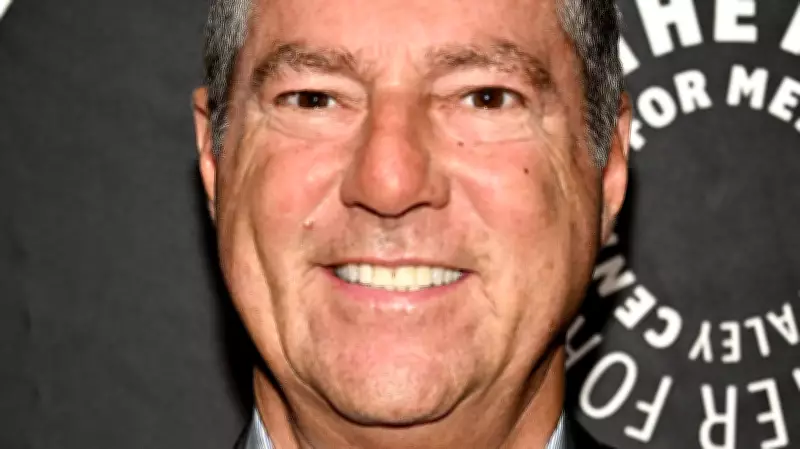
Paul Weiss Chairman Brad Karp Resigns Amid Epstein Email Fallout
Brad Karp, the influential chairman of prestigious U.S. law firm Paul Weiss Rifkind Wharton & Garrison, resigned this week following the release of Justice Department records documenting extensive communications with the late financier and convicted sex offender Jeffrey Epstein. The resignation marks a dramatic fall for a legal titan who had transformed the firm into a global powerhouse while maintaining deep ties to Democratic political circles.
From Democratic Fundraiser to Trump Administration Target
Karp's journey toward resignation began during the 2024 presidential election cycle, when he actively fundraised for Democratic candidate Kamala Harris. As chairman of Paul Weiss since 2008, Karp had mobilized the firm's lawyers and staff to become significant Democratic donors, with one partner even helping prepare Harris for her debate against Republican rival Donald Trump.
When Trump won the election and returned to the presidency in January 2025, Paul Weiss quickly became a target. The firm had employed lawyers who investigated Trump and sued participants in the January 6, 2021 Capitol attack. In March 2025, Trump signed an executive order blacklisting Paul Weiss from federal buildings and government contracts.

The Trump Settlement and Internal Turmoil
Fearing the executive order would destroy the 150-year-old firm, Karp negotiated a settlement with the Trump administration. He arrived at a White House meeting that began with discussions about golf, then negotiated a deal to rescind the executive order in exchange for $40 million worth of free legal work for causes supported by the president.
This decision proved controversial within the firm. At least a dozen partners, including the one who had advised Harris for her presidential debate, departed afterward. Karp became "the face of capitulation" for some lawyers aligned with the Democratic Party, according to observers.
Epstein Email Revelations and Resignation
The final blow came through a bipartisan push in Congress that required the Justice Department to release files related to Jeffrey Epstein. A trove of emails made public at the end of January revealed extensive communications between Karp and Epstein spanning several years.
The emails documented Karp thanking Epstein for a "once in a lifetime" dinner in 2015 with filmmaker Woody Allen and later seeking Epstein's assistance in securing a role for his son working on one of Allen's film productions. Other emails showed Karp and Epstein discussing financial matters related to Leon Black, co-founder of Apollo Global Management, whom Karp represented.
Emails also revealed discussions about Epstein's 2008 non-prosecution agreement, when the financier pleaded guilty to prostitution charges including soliciting an underage girl. The communications continued as recently as early 2019, months before Epstein's arrest on sex trafficking charges and subsequent suicide.
Legacy of Transformation and Controversy
Karp had transformed Paul Weiss from a respected New York litigation firm into a global legal powerhouse with deep connections to Wall Street and Washington. Under his leadership, the firm became a primary defender of the financial industry while maintaining progressive pro bono work and recruiting star dealmakers.
"If you were going to write a Greek tragedy about a law firm leader, this is it," a former senior Paul Weiss attorney told Reuters, speaking on condition of anonymity.
In his resignation statement, Karp said that "recent reporting has created a distraction and has placed a focus on me that is not in the best interests of the firm." The firm previously stated that Karp regretted his Epstein interactions and "never witnessed or participated in misconduct."
Leadership Transition and Continuing Presence
Karp has been replaced as chairman by Scott Barshay, whom Karp recruited in 2016 to strengthen the firm's mergers and acquisitions practice. Karp remains at Paul Weiss serving clients, according to the firm's statement.
Legal experts view Karp's resignation as a cautionary tale about the intersection of legal practice, political alignment, and personal associations in an era of heightened political polarization.

"What ultimately makes this episode a cautionary tale is how even highly successful leadership can falter when institutional independence is compromised by proximity to executive power," said Kevin Burke, a professor at the University of Southern California Gould School of Law.





