Oil Prices Surge and Stocks Plunge Amid U.S.-Israel-Iran Conflict Market Turmoil
Global financial markets have been thrown into disarray as escalating military conflict between U.S.-Israel forces and Iran triggers dramatic swings in commodity prices and equity valuations. The geopolitical tensions have created a perfect storm of uncertainty that is reverberating through international markets.
Commodity Markets in Turmoil
Oil prices have experienced their most significant surge in recent memory, with benchmark crude indices climbing sharply as traders anticipate potential supply disruptions from the Middle East. The conflict has raised immediate concerns about the security of critical shipping lanes and production facilities in one of the world's most important energy-producing regions.
Analysts note that the price volatility reflects deep-seated fears about long-term stability in global energy markets, with some predicting sustained higher prices if the conflict continues to escalate. The uncertainty has prompted energy companies to reassess their risk exposure and contingency planning for supply chain disruptions.

Equity Markets Under Pressure
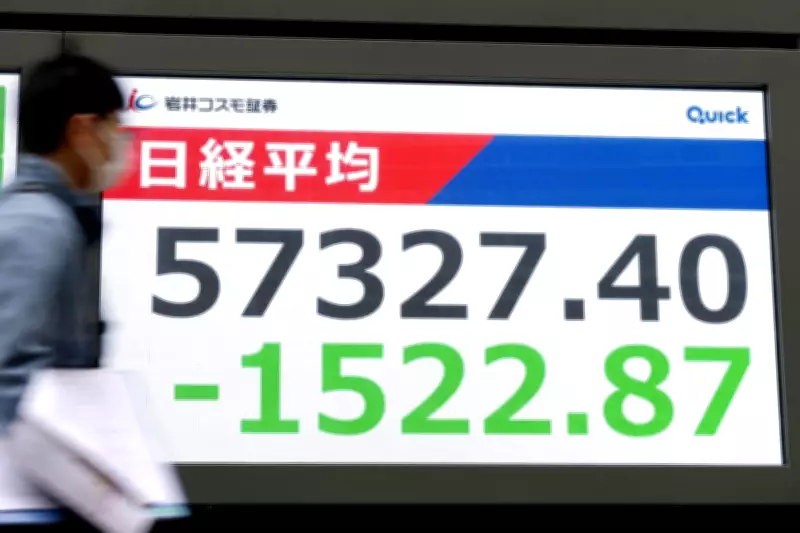
Stock markets worldwide have responded with significant declines as investors flee riskier assets in favor of safer havens. Major indices across North America, Europe, and Asia have recorded substantial losses, with technology, transportation, and consumer discretionary sectors particularly hard hit by the deteriorating geopolitical outlook.
The market reaction underscores how quickly investor sentiment can shift when confronted with unexpected geopolitical developments. Portfolio managers are reportedly increasing their cash positions and reducing exposure to sectors most vulnerable to oil price shocks and economic uncertainty.
Broader Economic Implications
The market turbulence extends beyond immediate price movements, raising concerns about:
- Potential inflationary pressures from sustained higher energy costs
- Disruption to global trade flows and supply chains
- Increased volatility in currency markets
- Possible impacts on central bank policy decisions
- Corporate earnings uncertainty across multiple sectors
Economic analysts are closely monitoring the situation, with many warning that prolonged conflict could trigger broader economic consequences beyond the initial market reactions. The interconnected nature of global markets means that disruptions in one region can quickly spread to others, creating challenges for policymakers and businesses alike.
Market Psychology and Risk Assessment
The rapid market movements highlight how geopolitical events can override traditional economic fundamentals in the short term. Risk assessment models are being recalibrated as market participants attempt to gauge the potential duration and escalation path of the conflict.
Investor anxiety is particularly pronounced given the strategic importance of the Middle East region to global energy markets. The situation has prompted renewed discussions about energy security and diversification strategies among both governments and corporations.
As the situation continues to develop, market participants are bracing for further volatility while hoping for diplomatic resolutions that could stabilize the situation. The coming days and weeks will be critical in determining whether the market reactions represent temporary adjustments or the beginning of more sustained economic challenges.