

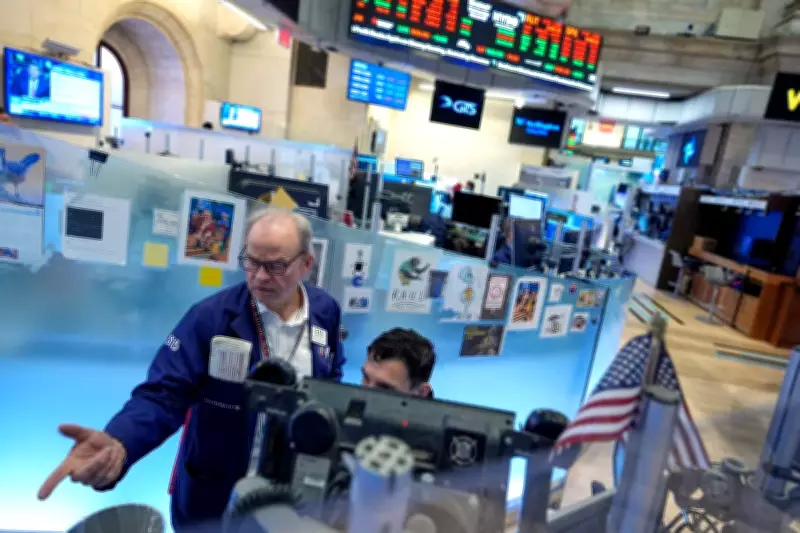
Brent Crude Briefly Tops $119 Per Barrel, Global Stocks Sink in Widespread Sell-Off
In a dramatic market session, Brent crude oil prices briefly surged past the US$119 per barrel mark before pulling back, contributing to a sharp decline in stock markets worldwide. The volatile movement in oil prices, a key benchmark for global energy costs, has intensified investor anxiety, leading to a broad-based sell-off across major financial indices.
Oil Price Spike and Market Reaction
The sudden spike in Brent crude, which occurred during early trading hours, reflects ongoing geopolitical tensions and supply chain disruptions impacting the energy sector. While prices later retreated from the peak, the brief breach of the $119 threshold underscored the fragile state of global commodity markets. Analysts note that such volatility often triggers ripple effects throughout the economy, influencing everything from transportation costs to consumer goods pricing.
Concurrently, stock markets experienced significant losses across North America, Europe, and Asia. The downturn was particularly pronounced in sectors sensitive to energy costs, such as airlines and manufacturing, but the sell-off was widespread, indicating deep-seated concerns about economic stability. Investors are closely monitoring central bank policies and inflationary pressures, which have been exacerbated by the fluctuating oil prices.

Broader Economic Implications
The dual pressures of rising oil prices and falling equities highlight the interconnected nature of today's global financial system. Higher energy costs can stifle economic growth by increasing production expenses and reducing disposable income for consumers. This, in turn, can lead to reduced corporate earnings and further stock market declines, creating a challenging cycle for policymakers to navigate.
Market observers are advising caution, emphasizing that while short-term fluctuations are common, the current environment requires vigilance. Factors such as geopolitical conflicts, supply-demand imbalances, and monetary policy shifts are all contributing to the uncertainty. As the situation evolves, stakeholders from individual investors to large institutions are reassessing their strategies to mitigate risks.
Looking Ahead
In the coming days, attention will remain focused on oil price trends and their impact on inflation and economic growth. Any sustained increase above $119 per barrel could prompt further market adjustments, while a stabilization might offer temporary relief. However, the underlying issues driving the volatility are complex and multifaceted, suggesting that market turbulence may persist in the near term.
Ultimately, this episode serves as a stark reminder of the delicate balance in global markets, where energy prices and equity performance are deeply intertwined. As developments unfold, continuous monitoring and adaptive strategies will be crucial for navigating the financial landscape.






