

Iran Conflict Fuels Market Turbulence and Cost-of-Living Pressures
Financial experts are issuing stark warnings to investors, advising them to "buckle up" for a period of significant market volatility as the ongoing conflict in Iran continues to create widespread economic uncertainty. The geopolitical tensions are not only driving turbulence in financial markets but are also having a tangible impact on the cost of living for consumers globally.
Market Instability and Investor Caution
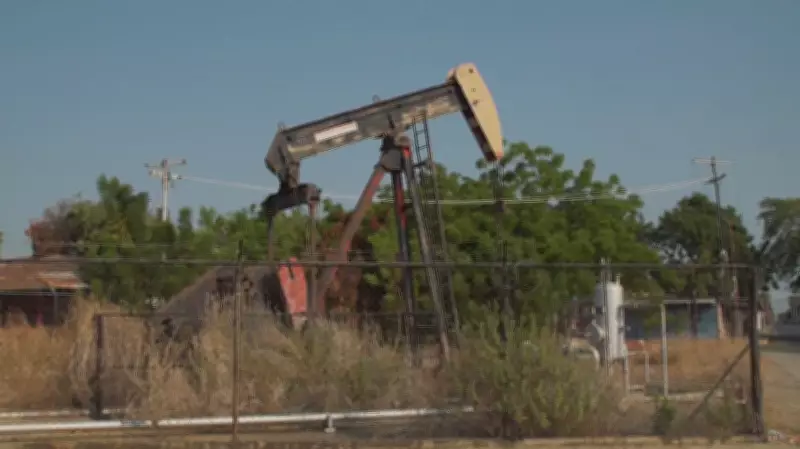
The situation in Iran has become a primary driver of market fluctuations, with stocks experiencing sharp rallies and declines based on developments in the region. Oil prices have been particularly volatile, sinking at times when diplomatic resolutions appear possible, only to spike again as conflicts escalate. This unpredictability makes it challenging for both individual and institutional investors to navigate the financial landscape effectively.
Financial analysts emphasize that this level of market instability is likely to persist until the Iran conflict reaches a definitive resolution. The uncertainty surrounding the duration and outcome of the hostilities means that traditional investment strategies may prove less effective, requiring investors to adopt more cautious and flexible approaches to portfolio management.

Broader Economic Consequences
Beyond the immediate market reactions, the Iran conflict is contributing to broader economic pressures that affect everyday consumers. The volatility in oil markets directly translates to fluctuations in gasoline prices, adding to transportation costs for households and businesses alike. This comes at a time when many families are already grappling with inflationary pressures across various sectors of the economy.
The intersection of geopolitical conflict and economic vulnerability creates a perfect storm for cost-of-living challenges, particularly for those on fixed incomes or with limited financial flexibility. As essential commodity prices remain unstable, budget planning becomes increasingly difficult for consumers at all income levels.
Long-Term Implications and Preparedness
While the immediate focus remains on the day-to-day market movements, financial planners are also considering the longer-term implications of the Iran conflict on global economic stability. The disruption to international trade routes, potential sanctions, and regional instability could have lasting effects on supply chains and economic growth patterns.
Experts recommend that investors:
- Maintain diversified portfolios to mitigate risk
- Stay informed about geopolitical developments
- Consider defensive investment strategies during periods of high volatility
- Review financial plans regularly to account for changing economic conditions
For consumers facing cost-of-living pressures, financial advisors suggest practical measures such as budgeting for variable energy costs, exploring alternative transportation options, and prioritizing essential expenses during periods of economic uncertainty.
The current situation underscores how geopolitical events in distant regions can have immediate and tangible effects on both financial markets and household economies. As the Iran conflict continues to evolve, its economic repercussions will likely remain a significant concern for investors and consumers alike until stability returns to the region.






