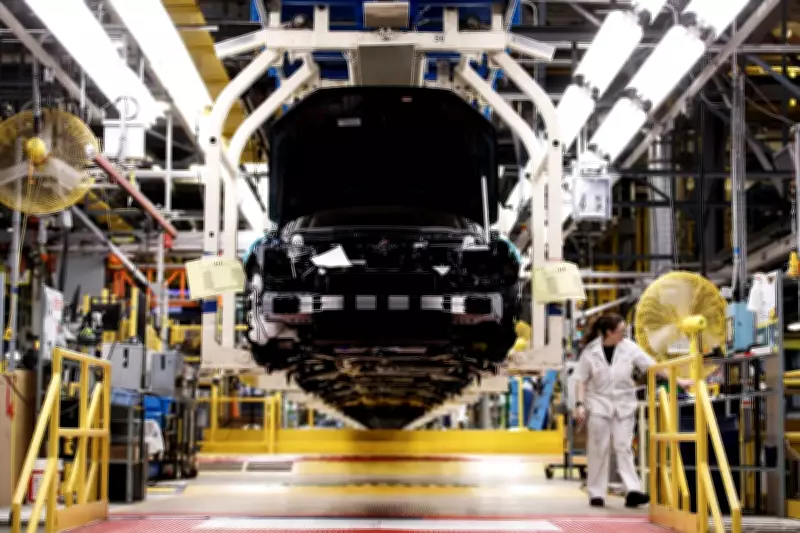
Honda Anticipates First Annual Loss Following $15.7 Billion EV Charge
Honda Motor Co. has announced it expects to report its first annual loss, a significant shift for the automotive giant, largely due to a substantial $15.7 billion charge associated with its electric vehicle (EV) initiatives. This development marks a pivotal moment for the company as it navigates the rapidly evolving automotive landscape.
Financial Impact and Strategic Shifts
The $15.7 billion charge reflects Honda's aggressive investments in electric vehicle technology, including research, development, and production scaling. This move comes amid increasing competition in the EV sector and shifting consumer preferences toward sustainable transportation. The projected loss underscores the financial pressures automakers face as they transition from traditional internal combustion engines to electric powertrains.
Honda's decision to absorb this charge highlights its commitment to long-term growth in the EV market, despite short-term financial setbacks. The company has been ramping up its EV offerings, with plans to launch multiple new models globally over the next few years. This strategic pivot is essential for Honda to remain competitive against rivals like Tesla and traditional automakers expanding their electric fleets.

Global Market Challenges
The automotive industry is grappling with several headwinds, including supply chain disruptions, fluctuating raw material costs, and regulatory changes pushing for reduced emissions. Honda's loss projection also factors in broader economic uncertainties, such as inflation and shifting trade policies, which have impacted sales and profitability across regions.
In North America, where Honda has a significant manufacturing presence, including plants in Ontario, Canada, the company faces additional challenges from evolving consumer demand and competitive pricing pressures. The shift toward EVs requires substantial capital expenditure, which can strain financial performance in the interim.
Future Outlook and Industry Implications
Despite the anticipated loss, Honda remains optimistic about its future in the electric vehicle space. The company is leveraging partnerships and technological innovations to enhance its EV capabilities, aiming to achieve carbon neutrality by 2050. Analysts suggest that while the short-term financial hit is notable, it may position Honda for stronger growth as the EV market matures.
This announcement could signal a broader trend in the automotive sector, where traditional manufacturers incur significant costs to adapt to electrification. Other automakers may face similar financial pressures as they accelerate their EV transitions, potentially leading to more industry-wide losses or restructuring efforts.
Honda's experience serves as a case study in balancing innovation with financial stability, highlighting the risks and rewards of investing in sustainable technologies. As the company navigates this challenging period, stakeholders will closely monitor its progress toward recovery and market leadership in the evolving automotive landscape.