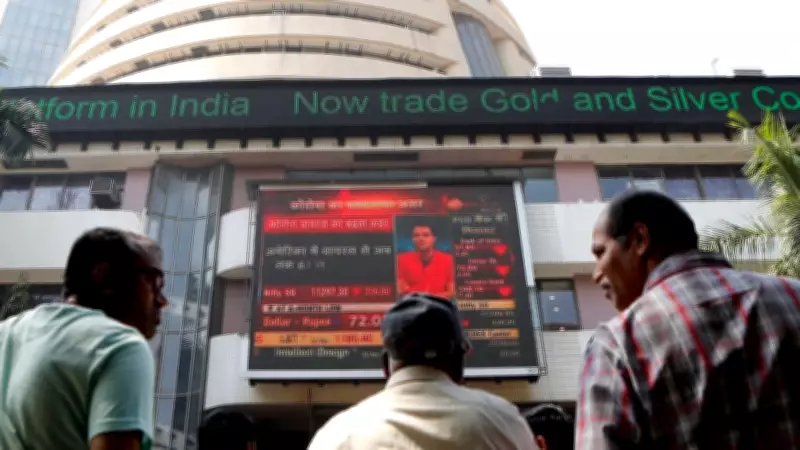
Emerging market equities experienced a significant downturn as hostilities in the Middle East escalated, triggering a surge in oil prices and rattling global financial markets. The heightened geopolitical risks have prompted investors to reassess their positions in riskier assets, leading to widespread selling pressure across developing economies.
Market Turmoil Amid Geopolitical Unrest
The intensification of conflict in the Middle East has sent shockwaves through financial markets, with emerging market stocks bearing the brunt of the sell-off. Analysts attribute the decline to growing concerns over prolonged instability in the region, which could disrupt global energy supplies and exacerbate inflationary pressures. The simultaneous rise in oil prices, driven by fears of supply constraints, has further dampened investor confidence in emerging markets, which are particularly vulnerable to energy cost fluctuations.
Impact on Global Financial Sentiment
The downturn in EM equities reflects broader anxieties about the global economic outlook. As oil prices climb, expectations of higher input costs and potential interest rate adjustments by central banks have added to market volatility. This environment has led to a flight to safety, with capital flowing out of emerging markets and into perceived havens such as U.S. Treasuries and gold. The shift underscores the interconnectedness of geopolitical events and financial markets, where regional conflicts can swiftly translate into global economic headwinds.

Sectoral and Regional Variations
Within emerging markets, the impact has varied by sector and region. Energy-importing countries have faced steeper declines due to their sensitivity to oil price hikes, while nations with robust domestic demand or commodity exports have shown relative resilience. Financial and industrial stocks have been particularly hard hit, as investors anticipate reduced corporate earnings and slower economic growth. The situation highlights the need for diversified investment strategies that account for geopolitical risks and commodity dependencies.
Broader Economic Implications
The surge in oil prices, if sustained, could pose challenges for global inflation management and monetary policy. Central banks may face difficult decisions in balancing growth support with price stability, especially in emerging economies where currency pressures could intensify. Additionally, the conflict's escalation may disrupt trade routes and supply chains, further straining economic recovery efforts post-pandemic. Market participants are closely monitoring developments, with many advising caution until geopolitical tensions show signs of abating.
In summary, the recent slide in EM equities underscores the fragility of global markets in the face of geopolitical upheaval. As the Middle East conflict evolves, its ripple effects on oil prices and investor sentiment will likely continue to shape financial dynamics, emphasizing the importance of risk-aware investment approaches in uncertain times.