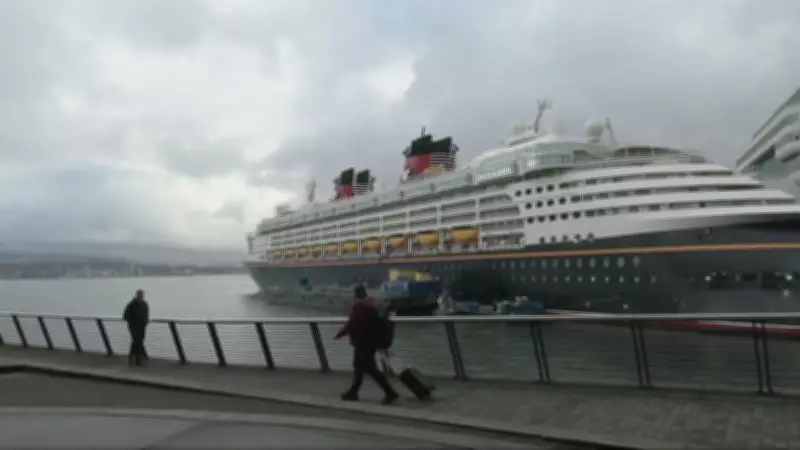
U.S. Cruise Industry Navigates Rising Costs Amid Oil Price Rally
The U.S. cruise sector is encountering significant financial headwinds as a surge in oil prices drives up operational expenses, with industry giant Carnival Corporation poised to be the most severely impacted. This development comes amid broader economic fluctuations, highlighting the vulnerability of travel and leisure businesses to energy market volatility.
Fuel Costs Weigh Heavily on Cruise Operations
Cruise lines, which rely heavily on fuel for their global voyages, are facing mounting pressure as oil prices rally. The increased costs are expected to squeeze profit margins, potentially leading to higher ticket prices for consumers or reduced services. Analysts note that fuel constitutes a substantial portion of operational budgets, making companies like Carnival particularly susceptible due to their large fleet sizes and extensive routes.
Economic Ripple Effects Across the IndustryThe oil price rally is not an isolated issue; it intersects with other economic factors such as inflation and supply chain disruptions. For instance, recent data from Statistics Canada shows annual inflation cooling to 1.8% in February, but persistent cost pressures in sectors like energy can undermine consumer spending on discretionary items like cruises. This environment forces cruise operators to reassess their financial strategies and cost-management approaches.

Carnival's Heightened Exposure to Market Shifts
Carnival Corporation, as one of the world's largest cruise companies, could be hardest hit by the oil price increase. With a diverse portfolio of brands and a global presence, the company's exposure to fuel cost fluctuations is magnified. Industry experts suggest that Carnival may need to implement aggressive cost-cutting measures or explore alternative energy sources to mitigate the impact, though such transitions are often costly and time-consuming.
Broader Implications for Travel and TourismThe challenges facing the cruise industry reflect wider trends in travel and tourism, where businesses must adapt to volatile market conditions. As oil prices continue to rally, other sectors reliant on transportation, such as airlines and freight, may also experience similar cost pressures. This scenario underscores the interconnectedness of global economies and the need for resilient business models in the face of uncertainty.
In summary, the rally in oil prices presents a formidable obstacle for U.S. cruise lines, with Carnival Corporation at the forefront of potential financial strain. Stakeholders will be closely monitoring how these companies navigate the turbulent waters ahead, balancing cost management with customer satisfaction in an increasingly competitive landscape.