Bayer Reaches $7.25 Billion Proposed Settlement Over Roundup Cancer Claims
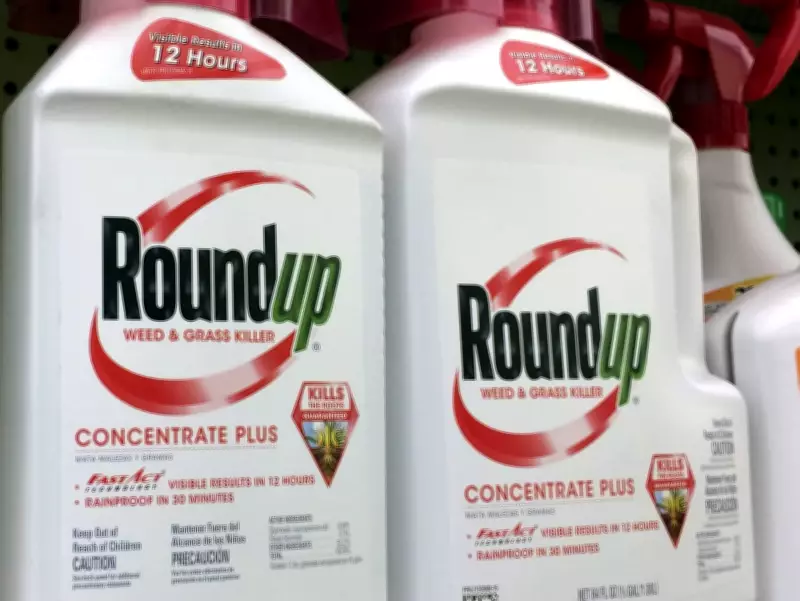
In a significant development, Bayer AG has agreed to a proposed settlement of $7.25 billion to resolve thousands of lawsuits alleging that its Roundup weed killer causes cancer. This move aims to address a major legal and financial challenge that has plagued the company since its acquisition of Monsanto, the original manufacturer of Roundup.
Details of the Settlement Proposal
The $7.25 billion settlement, announced on February 17, 2026, is designed to cover claims from individuals who developed non-Hodgkin lymphoma and other cancers after using Roundup. This proposal follows years of litigation and multiple court rulings that have found links between glyphosate, the active ingredient in Roundup, and cancer risks.
Bayer has emphasized that this settlement does not constitute an admission of liability, but rather a pragmatic step to bring closure to the ongoing legal disputes. The company stated that the agreement will help provide compensation to affected parties while allowing Bayer to focus on its core business operations moving forward.

Background and Legal Context
Roundup, originally produced by Monsanto, has been a widely used herbicide globally since its introduction in the 1970s. Concerns over its safety escalated in recent decades, leading to a surge in lawsuits after the International Agency for Research on Cancer classified glyphosate as "probably carcinogenic to humans" in 2015.
The legal battles have resulted in several high-profile verdicts against Bayer, including multi-million dollar awards to plaintiffs. These cases have pressured the company to seek a comprehensive resolution, with this $7.25 billion proposal representing one of the largest settlements in product liability history.
Implications for Bayer and Stakeholders
This settlement could significantly impact Bayer's financial standing and reputation. Key points include:
- Financial Relief: The settlement may reduce future legal costs and uncertainties, though it represents a substantial payout for the company.
- Consumer Safety: While Bayer maintains Roundup is safe when used as directed, the settlement underscores ongoing public health debates over pesticide regulations.
- Market Reactions: Investors and industry analysts will closely monitor how this affects Bayer's stock performance and competitive position in the agrochemical sector.
Additionally, the settlement process involves court approvals and negotiations with plaintiff attorneys, which could take months to finalize. Bayer has indicated it will continue to sell Roundup, but may explore reformulations or enhanced warning labels to mitigate future risks.
Broader Industry and Regulatory Impact
The Roundup case has sparked wider discussions on corporate accountability and environmental health. Regulatory agencies in various countries are reviewing glyphosate's safety, with some implementing restrictions or bans. This settlement may influence:
- Legal Precedents: Other companies facing similar product liability suits could look to this as a model for resolution.
- Public Awareness: Increased scrutiny on chemical products and their long-term health effects.
- Policy Changes: Potential shifts in how governments assess and regulate agricultural chemicals.
As Bayer moves forward with this settlement, it highlights the complex interplay between business, science, and law in addressing mass tort claims. The outcome will be closely watched by stakeholders across the legal, health, and environmental sectors.