

National Bank CEO Advocates for Keystone XL Revival and Eastern Energy Corridor
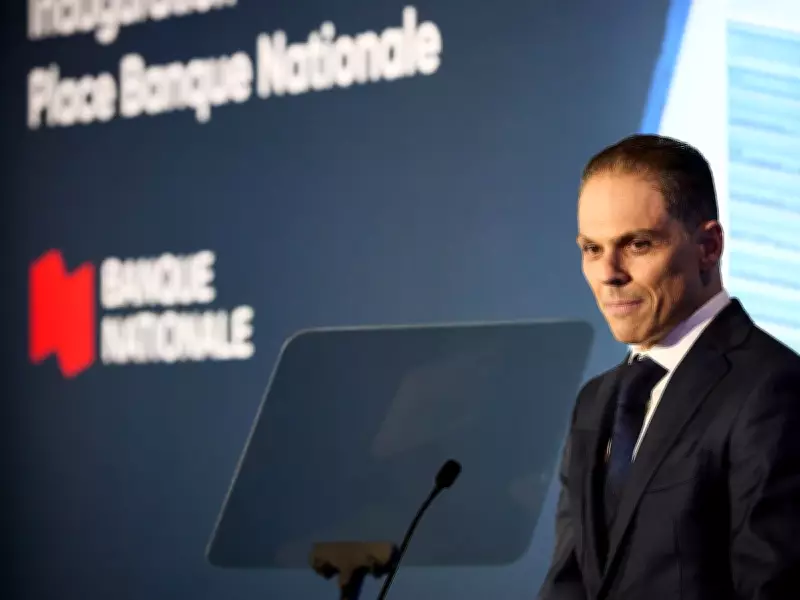
Laurent Ferreira, the chief executive of National Bank of Canada, has issued a strong call for the immediate revival of the Keystone XL pipeline and the development of a comprehensive energy corridor in Eastern Canada. Speaking at the bank's annual financial services conference in Montreal, Ferreira emphasized that these steps are crucial for Canada to enhance its domestic energy output and distribution, as well as to expand its global export capabilities.
Urgent Need for Keystone XL Revival
Ferreira stated, "We need to revive Keystone right now. The infrastructure is already partly built." The Keystone XL pipeline, which faced a significant setback in 2021 when U.S. President Joe Biden canceled permits, was designed to transport oil from Alberta to Nebraska. Ferreira argued that reviving this project is essential for Canada's energy strategy, as it would facilitate increased production and distribution, supporting the country's goal of becoming an energy superpower.
Eastern Energy Corridor Proposal
In addition to Keystone XL, Ferreira highlighted the importance of establishing an energy corridor in Eastern Canada, including Quebec. He pointed out that increasing domestic energy production and distribution, along with boosting global exports, are necessary measures to ensure Canada's security and economic sovereignty. This includes a greater commitment to liquefied natural gas (LNG) production, both in Western Canada and through bringing natural gas to Quebec and Ontario to support manufacturing needs.

Surprise at Import Practices
Ferreira expressed surprise at recent reports that New Brunswick was importing natural gas from Australia, despite Canada's earlier plans for LNG export terminals on the Atlantic coast. "I was floored, like, Canada, really?" he remarked, urging acceleration in domestic energy initiatives to reduce reliance on imports and capitalize on Canada's resources.
Global and Domestic Benefits
He noted that producing and exporting more Canadian energy would provide global trading partners with a safer alternative to sources like Venezuelan oil. Ferreira also acknowledged a positive shift in Ottawa's approach over the past year, with increased engagement between the government and the business community to boost domestic productivity. However, he cautioned that challenges remain, particularly in execution speed and the removal of interprovincial trade barriers, which he described as "ridiculous" costs to the economy hindered by political motivations.
Overall, Ferreira's remarks underscore a push for strategic energy investments to position Canada as a leader in the global energy market, emphasizing the need for swift action and collaboration to overcome obstacles.






